
The PRONATEC story began half a century ago with a vision: to introduce whole cane sugar to Europe as a tooth-friendlier and healthier alternative to refined sugar. What began as a small and improvised operation grew step by step – with the first organic raw cane sugar, the first organic and fair trade chocolate, our own structures in the countries of origin, and the world’s only 100 % organic cocoa processing plant. For our 50th anniversary, we look back at the ideas and convictions that have shaped this journey and continue to guide us today.
June 17, 2026
«In the early years, we did a lot of the work ourselves – from office tasks to stock management. There was not yet an established organic market like it is today. Most things were improvised, and we had to adapt our products step by step.»
«In the past, much of the effort went into explaining the meaning of organic products. Today, it is also about documenting every step seamlessly and transparently.»
David Yersin, CEO PRONATEC

50 years PRONATEC – Milestones at a glance
It all began with whole cane sugar
PRONATEC’s founder Albert Yersin was a true visionary: he was exploring sustainability topics such as solar energy long before they became broadly known, while also seeking meaningful solutions to societal challenges. In 1976, this mindset led to the idea of bringing whole cane sugar to Europe as a tooth-friendlier and healthier alternative to refined sugar.
Together with his business partner Félix Béguin, he developed a dedicated production plant for this purpose. They began producing the sugar in Latin America, importing it to Switzerland and distributing it worldwide under the name SUCANAT. It was sold mainly to health food shops, smaller businesses and private customers. At the office in Winterthur, they filled packs by hand, prepared orders and managed the stock. The initial setup was small and improvised, and commercial success was not yet a priority.

Albert Yersin was a visionary ahead of his time, building PRONATEC with foresight, conviction and pioneering spirit

The PRONATEC story began with SUCANAT, the first tooth-friendly whole cane sugar
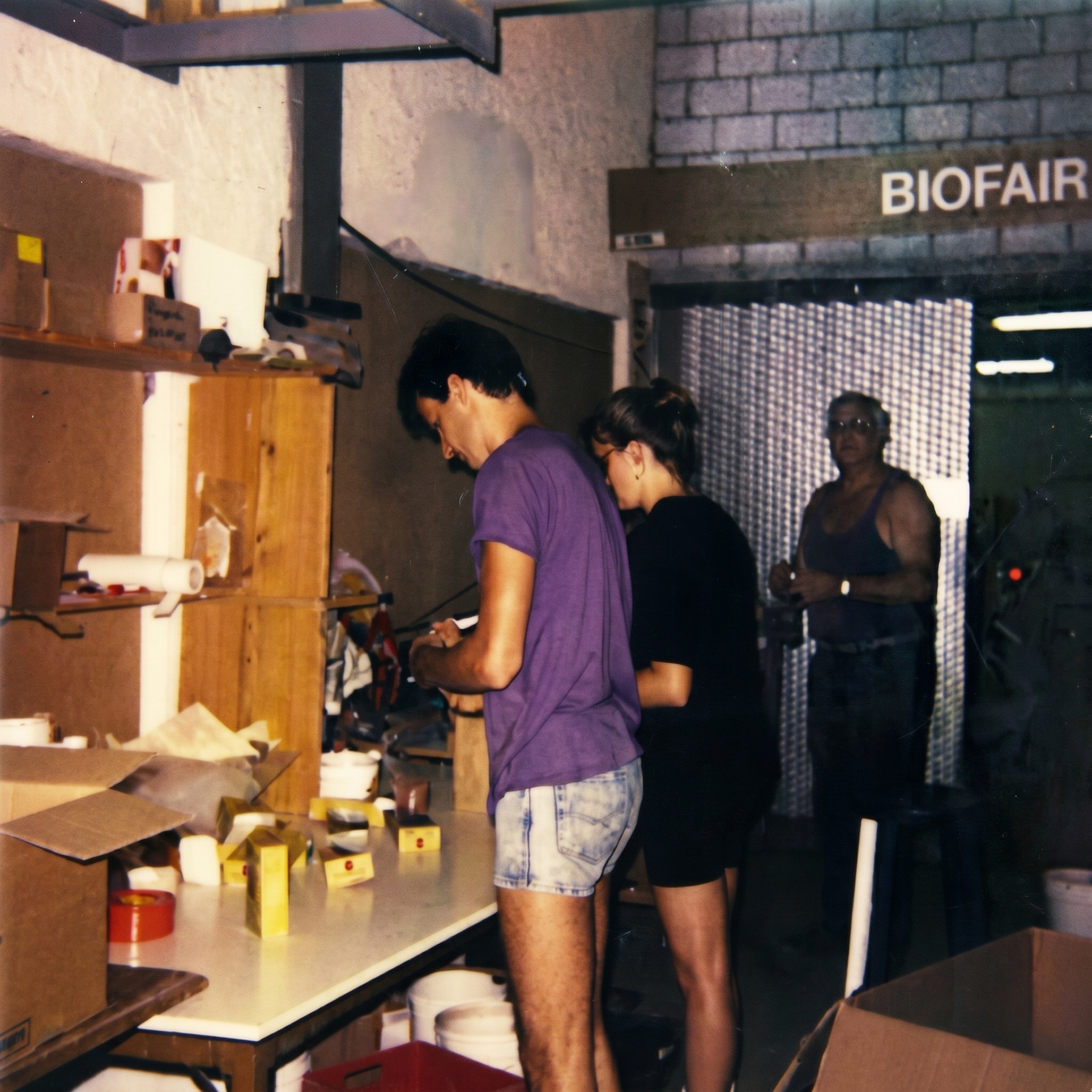
In the early years, every pack of sugar was still filled by hand
Before organic became widespread
When Albert Yersin’s son David joined the company in 1989, SUCANAT had already made a name for itself in the health food scene. For the food industry, however, its strong and distinctive flavour was often too dominant. What was needed was a lighter-coloured, more neutral sugar that could be used in many different ways while still being less heavily processed than refined sugar.
In 1994, PRONATEC launched the product that the market had been waiting for: SYRAMENA, the world’s first organic raw cane sugar. At the time, organic was still far from established in the food industry. Despite initial doubts, it soon became clear that demand for natural raw materials was growing. David Yersin was convinced that organic would become increasingly important over the long term and pushed for the company to align its strategy accordingly.
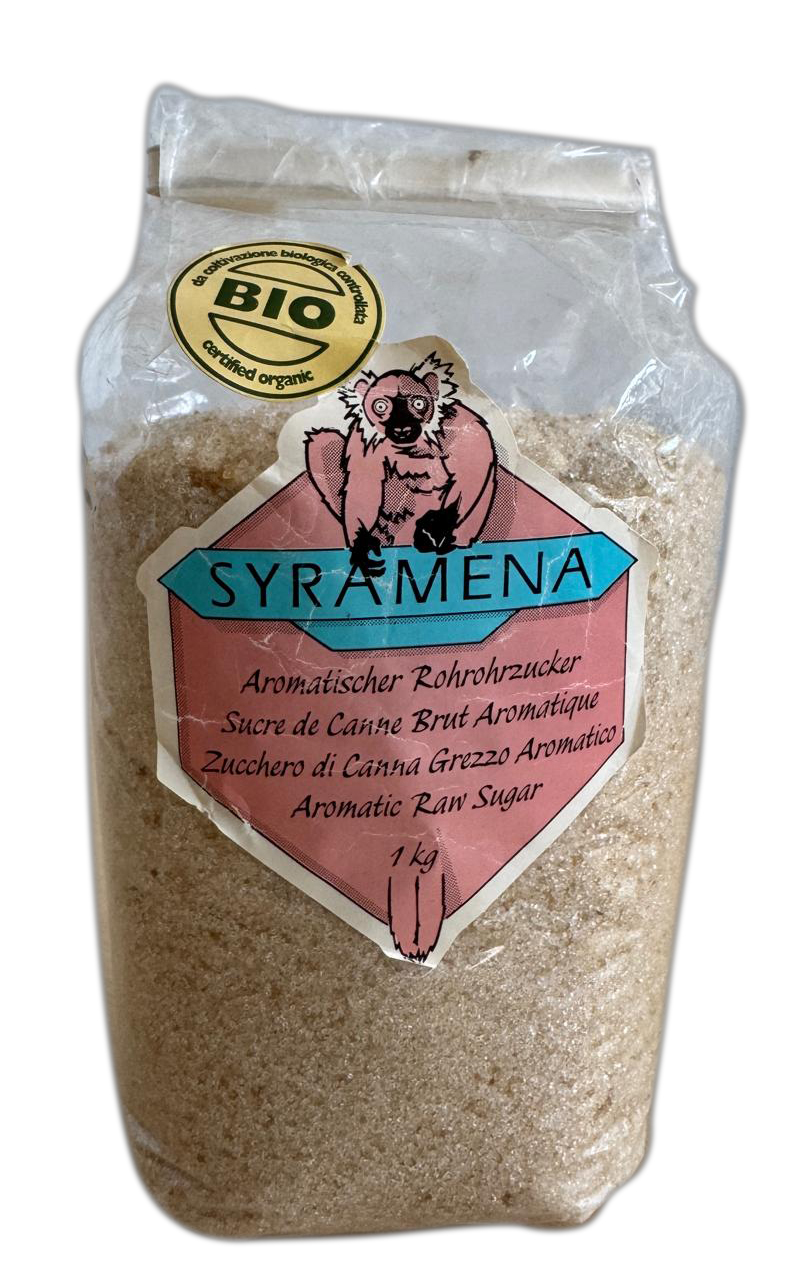
A world first in 1994: PRONATEC brought SYRAMENA organic raw cane sugar to market
The chocolate not everyone believed in
By the mid-1990s, PRONATEC had become an established name in the organic sector. Alongside sugar, the company was now also trading in organically cultivated coffee and soya beans. Inspired by this growth, the idea emerged to make a chocolate produced exclusively with organic and fair trade ingredients. Cocoa, almonds and hazelnuts were therefore added to the product range. Some doubted whether there would even be any demand for a chocolate like this – but the Winterthur-based family business believed in its idea.
![1996 erfolgte mit CHOCANAT, heute AMARRÚ[SS4.1], die Lancierung der ersten Bio und Fair Trade zertifizierten Schokolade der Welt](https://pronatec.com/wp-content/uploads/2026/06/Choconat-heute-Amarru-1-scaled.jpg "Choconat – heute Amarrú")
From CHOCANAT to AMARRÚ: what began as a pioneering chocolate bar has grown into today’s AMARRÚ range of ten Swiss organic chocolate varieties
When CHOCANAT (now called AMARRÚ) was launched in 1996, it was the world’s first certified organic and fair trade chocolate. Its success exceeded all expectations. At times, PRONATEC was unable to keep up with the orders arriving from all over the world, because reliable supply chains for the individual raw materials in the required quality did not yet exist.
Closer to the source
By the end of the 1990s, it was becoming increasingly clear that a purely trading-based model would not be enough to ensure quality, traceability and long-term availability. Organic-certified cocoa in particular was still difficult to source. PRONATEC therefore founded the subsidiary YACAO in the Dominican Republic in the year 2000. The focus from the outset has been on organic quality, fair prices for smallholder farmers and end-to-end traceability. To ensure this, purchasing is based on a direct-sourcing model, meaning straight from local smallholder organisations such as FUNDOPO. YACAO then handles the fermentation and drying of the cocoa beans and prepares them for export.

To improve availability, PRONATEC founded YACAO in the Dominican Republic …

… opening a new chapter in the company’s history

Involved from day one: the members of the smallholder cooperative FUNDOPO
The founding of YACAO was followed shortly after by further cocoa projects and partnerships with Latin American smallholder cooperatives, including in Peru, Panama and Ecuador. Since the turn of the millennium, PRONATEC has been working closely with the two Peruvian cooperatives ACOPAGRO from the San Martín region and El Quinacho in the Apurímac Valley. The cultivation of organic and fair trade cocoa plays a particularly significant role here, as it provides an important and reliable alternative to the dangerous and widespread cultivation of coca.
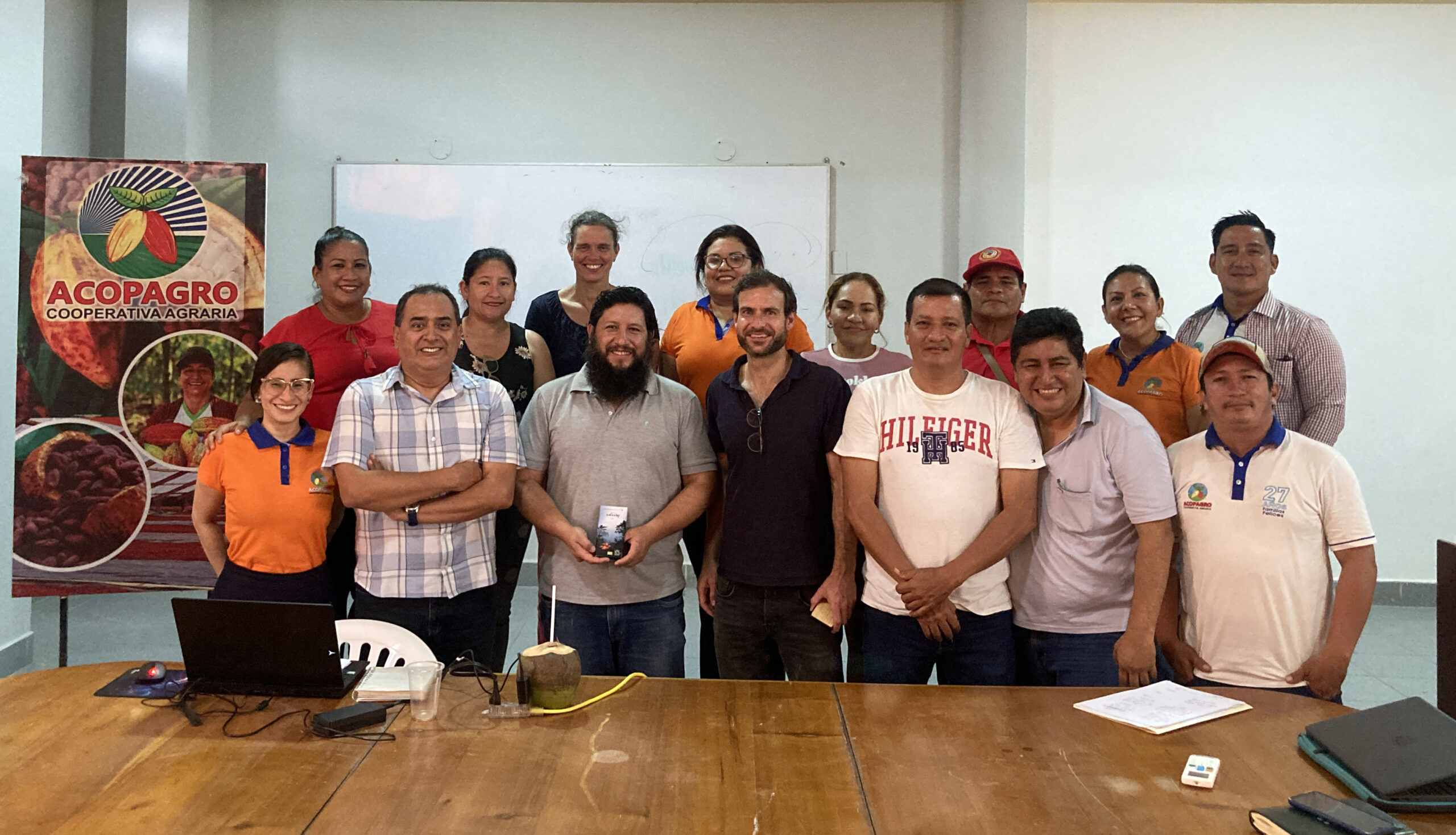
A partnership dating back to 1997: ACOPAGRO, a smallholder cooperative from Peru’s San Martín region
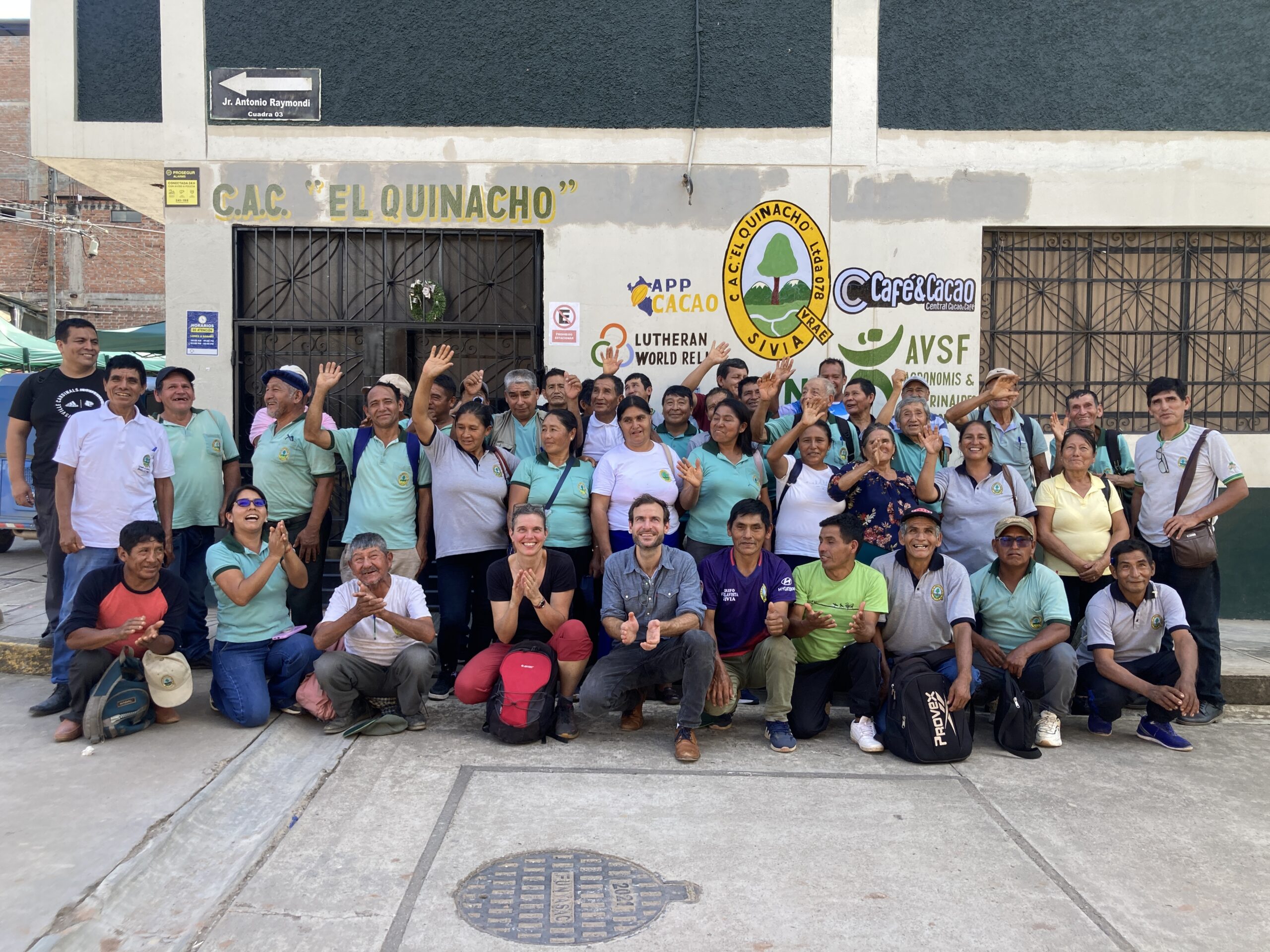
Organic cocoa from Peru’s Apurímac Valley: PRONATEC has been working with El Quinacho since 2000
From trust to evidence
With the company’s strong roots in the countries of origin and the move into new markets, it became increasingly important to provide reliable evidence of organic quality, fair conditions and the origin of raw materials. In the early years, much of the organic side of the business was based on personal conviction, trust and direct dialogue. The noticeable rise in demand for organic products in the late 1990s marked a turning point for the entire industry: consumers wanted greater reassurance, while trading partners – depending on the market, product and level of processing – increasingly introduced more specific requirements for verifiable, documented quality, food safety and social aspects. PRONATEC gradually established processes to obtain all certifications that were relevant for the company’s markets. PRONATEC is now certified under 16 different labels and standards, ranging from the first organic and fair trade certifications to the FSSC 22000 food safety standard.
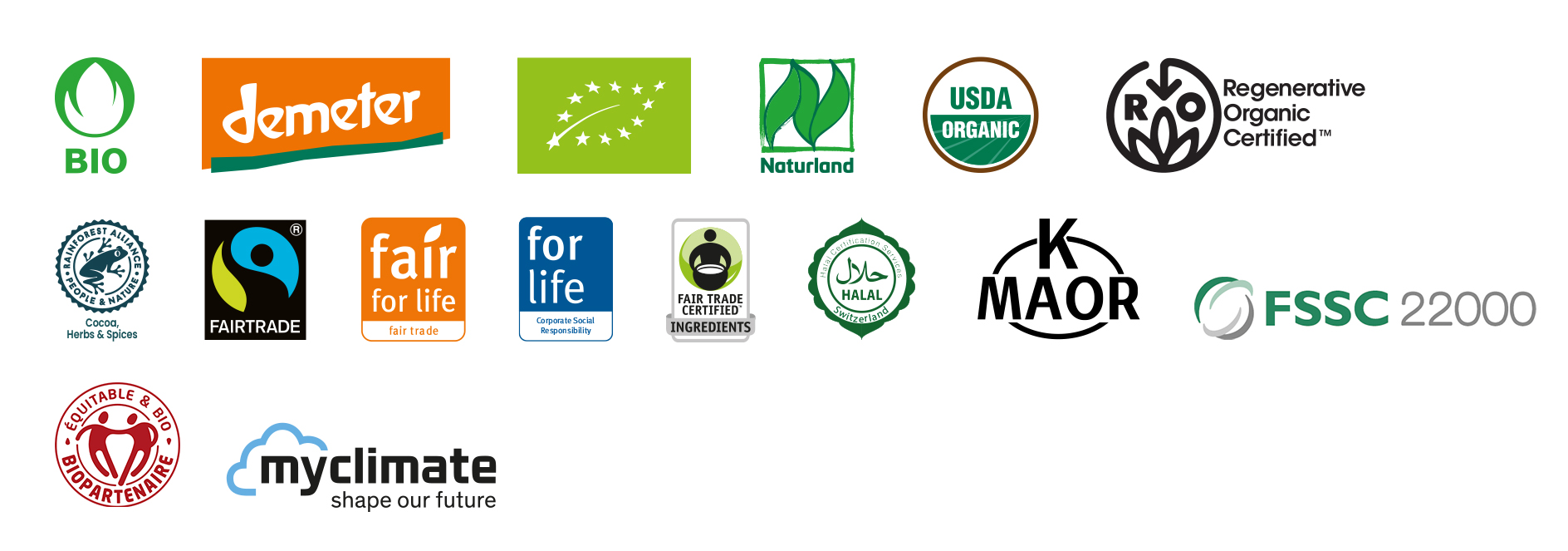
The 16 labels include certifications in the areas of organic, fair trade and food safety, as well as other market- and customer-specific standards, such as Halal and Kosher
Quality assurance and certification, which were initially handled alongside the day-to-day business, developed into increasingly important areas in their own right. The first full-time QA and certification roles were created in the early 2010s. Today, these areas are firmly embedded in PRONATEC’s daily work, and the department responsible for them has become one of the largest teams within the company.
Vanilla and spices from Madagascar
In the early 2000s, Madagascar became a new geographical focus for PRONATEC. In 2005, the partner company PREMIUM SPICES was born from an organic vanilla project in the north-east of the island. The two companies have worked together closely from the outset, and PRONATEC has held a stake in PREMIUM SPICES since 2010. The partnership provided the opportunity to extend the direct-sourcing approach to vanilla and spices as well.
Around the UNESCO Mananara Nord Biosphere Reserve, certified organic and fair trade vanilla and cloves are still grown today in traditional agroforestry systems.

On site in Madagascar: David and Simon Yersin visiting PREMIUM SPICES
Pepper, cinnamon, ginger, turmeric and fine flavour cocoa from other regions of Madagascar have been added over time. Some processing stages, such as cutting and drying ginger, are carried out directly in Madagascar. Quality control and export are also organised locally by PREMIUM SPICES.
Around 1’860 smallholder farmers from five cooperatives are now integrated into the value chain. Besides higher prices and guaranteed organic and fair trade premiums, they benefit from targeted support in the areas of quality assurance and certification.
From trader to processor
The business in semi-finished organic cocoa products gradually grew in importance for PRONATEC. At the time, production was still handled by external providers – a solution that could no longer keep pace with the rapid growth of this business area. Organic batches needed suitable production slots, which were rarely available at short notice, while requirements around traceability, certification and security of supply were also becoming more demanding. Large minimum quantities were often another factor. This meant PRONATEC was increasingly dependent on others.
Since 2022, PRONATEC has been producing organic semi-finished cocoa products at its own cocoa processing plant in Beringen, in the canton of Schaffhausen
Thus, after lengthy considerations and tough financing negotiations, PRONATEC took another pioneering step in 2022: the commissioning of PRONATEC Swiss Cocoa Production in Beringen, in the canton of Schaffhausen. Since then, the world’s only 100 % organic cocoa processing plant has been producing ‘made in Switzerland’ cocoa mass, cocoa butter, cocoa powder and cocoa nibs.
Thanks to its own production facility, PRONATEC now covers all key process steps in the value chain itself – from sourcing via smallholder families, to fermentation, drying and export, through to processing, selling and delivery.
Separate processing of individual product batches, as well as digital process control, help PRONATEC to meet its own high standards (which go far beyond the legal requirements) and ensure traceability all the way back to the smallholder plot. Behind the day-to-day operation of the processing plant in Beringen is an interdisciplinary team made up of technicians, electricians, quality specialists, logistics experts, food technologists, production and packaging staff, line managers and shift supervisors. Together, they ensure that the demanding processes run efficiently and reliably in a complex environment.
Continuity through uncertainty
Fifty years after the company was founded, PRONATEC is facing a new set of challenges: volatile raw material markets, stricter regulatory requirements, climate protection, resource efficiency and the continued expansion of its own processing operations – all in an economic environment in which long-term planning is difficult. PRONATEC Production will continue to play a key role in overcoming these challenges. The same principle that has guided the company since the beginning is likely to remain important in the years ahead: Even though not everything can be planned in full, progress can still be made step by step.

PS: A personal look back at the company’s history can be found in the interview with David Yersin marking 45 years of PRONATEC. Another anniversary interview, with David and Simon Yersin, is also well worth a read – 50 years of PRONATEC: two generations in conversation.

