
June 17, 2026
PREMIUM SPICES: an overview of recent developments
Madagascar’s vanilla sector is entering a new period of restructuring. After years of sharp price fluctuations, the situation remains difficult to predict for producers, cooperatives and exporters: government regulations on minimum prices, export duties and licences are constantly changing, although a degree of liberalisation has been observed following the recent political upheaval. At the same time, the requirements for organic and fair trade certification continue to rise. This is a major hurdle for the smallholder organisations associated with PREMIUM SPICES, where much of the coordination is still done verbally. The changing circumstances are also having an impact on the partner cooperatives: existing structures are merging, while one cooperative has plans to go it alone. In addition, Cyclone Gezani has left clear signs of destruction in the Tamatave port area, although the infrastructure of PREMIUM SPICES has come through relatively unscathed. Our interview with Jürg Brand underlines that the situation in Madagascar remains challenging. Anyone who wants fair trade, traceability and transparent structures needs to take a closer look at the supply chain and understand that products that follow the rules come at a price.
20 years PREMIUM SPICES – Interview with Jürg Brand
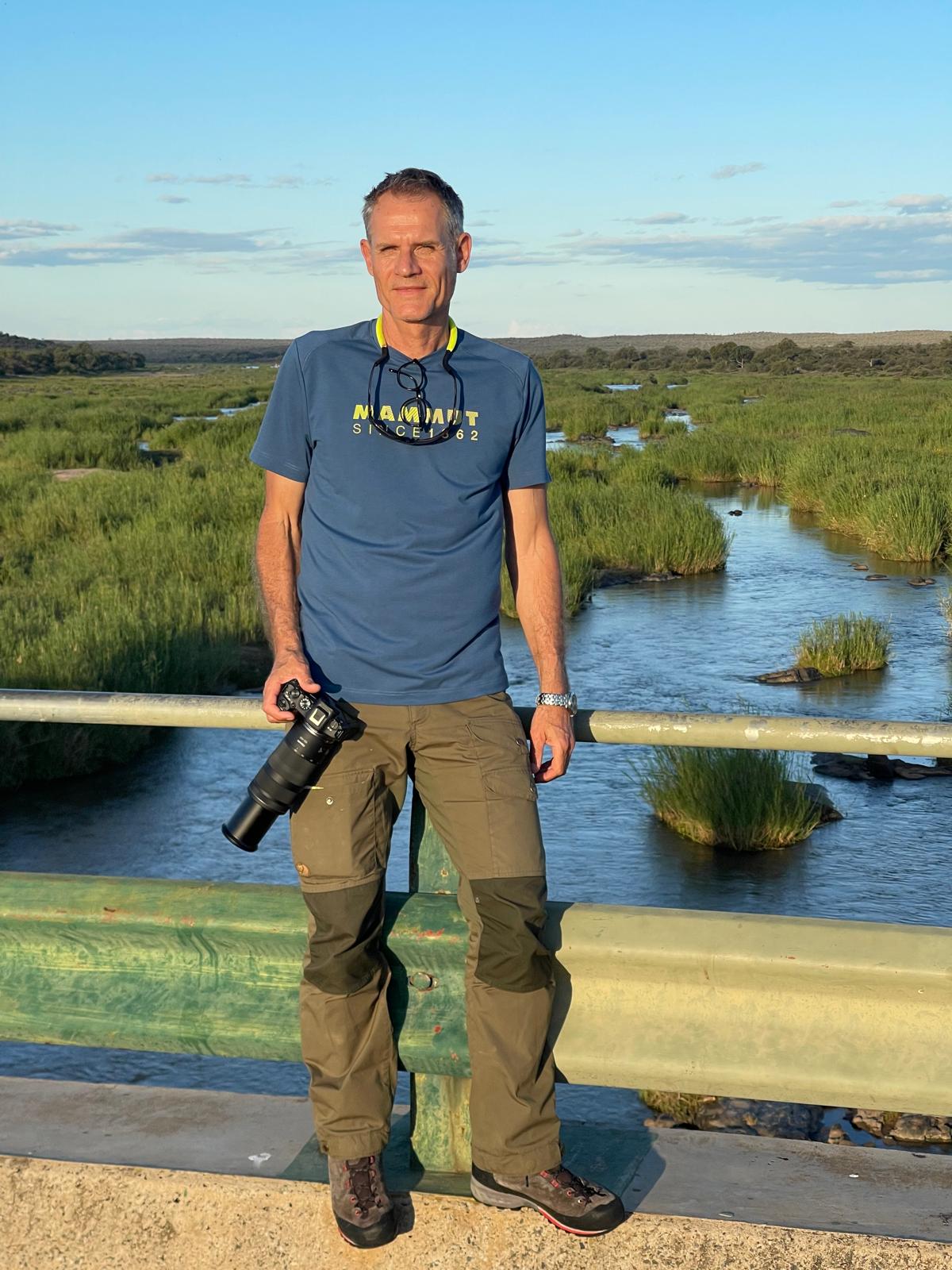
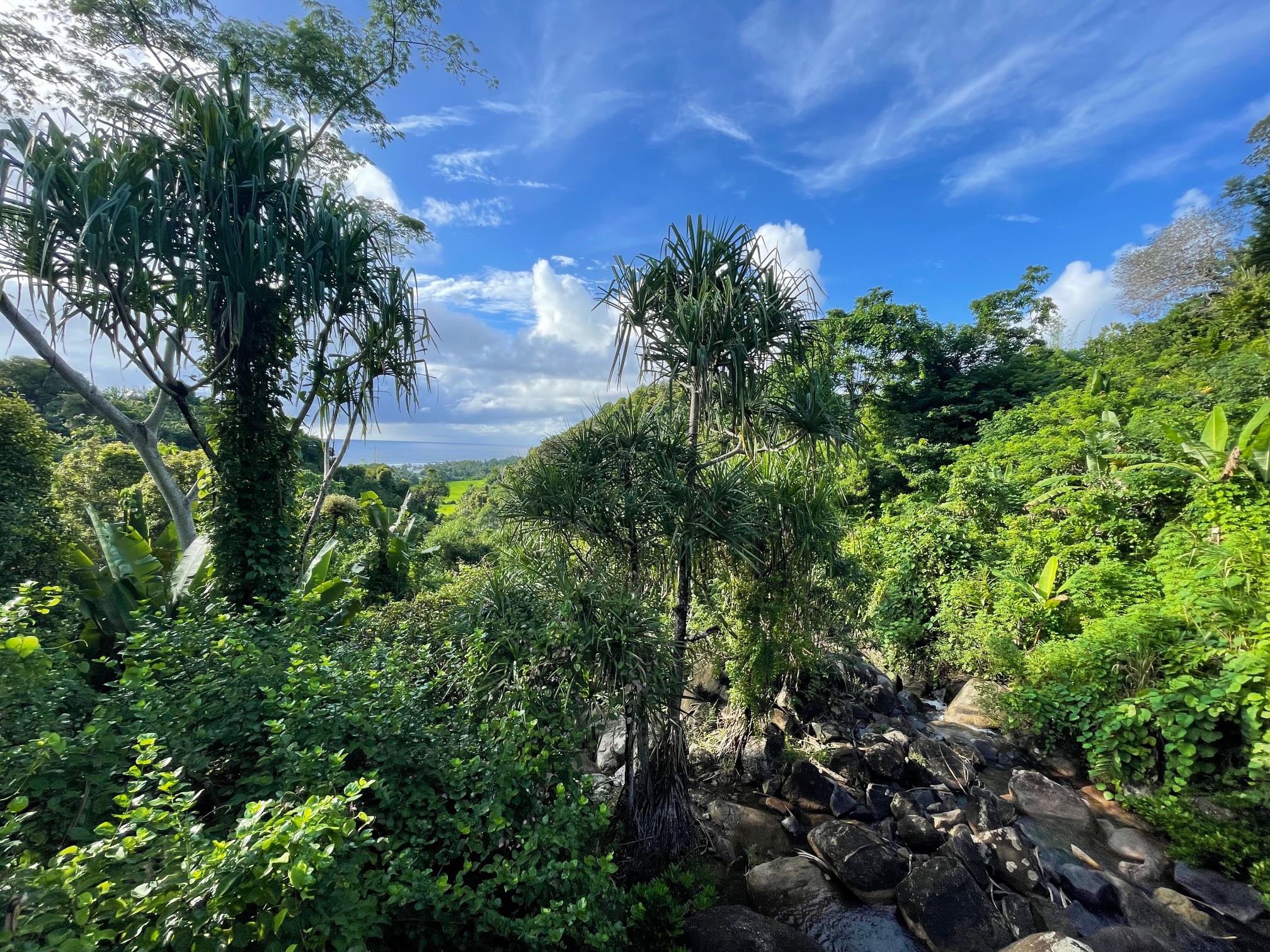
Jürg Brand, founder and CEO of PREMIUM SPICES, returned to the Mananara vanilla region in the spring of 2026. In an interview, he tells us about his impressions on the ground, the current harvest situation, the role of cooperatives, increasing certification requirements, and why Madagascar should neither be romanticised nor underestimated.
Jürg, you founded PREMIUM SPICES in Madagascar a good 20 years ago and still visit the country regularly. What were your impressions when you visited the Mananara vanilla region in April 2026?
Even today, more than 25 years after my first trip, I still very much enjoy visiting our vanilla-growing region. It is a very remote area, situated on the east coast of Madagascar, and can only be reached by travelling along rough, unpaved tracks for several days. The journey is an adventure in itself, because the conditions are constantly changing. Roads that were still in good condition five years ago are now badly damaged, whereas other places that used to be accessible only via a beach or by bamboo raft now have wide tarmac roads.
The journey took us through the villages of our small-scale producers. In many areas, time seems to stand still, with lush vegetation, wooden houses, friendly people sitting outside their homes, and behind them the Indian Ocean with canoes on the beach. Mananara itself was as bustling as ever. The remains of the last vanilla and clove season were still being cleared away, although initial preparations were already under way for the next harvest, which is due to begin towards the end of June.
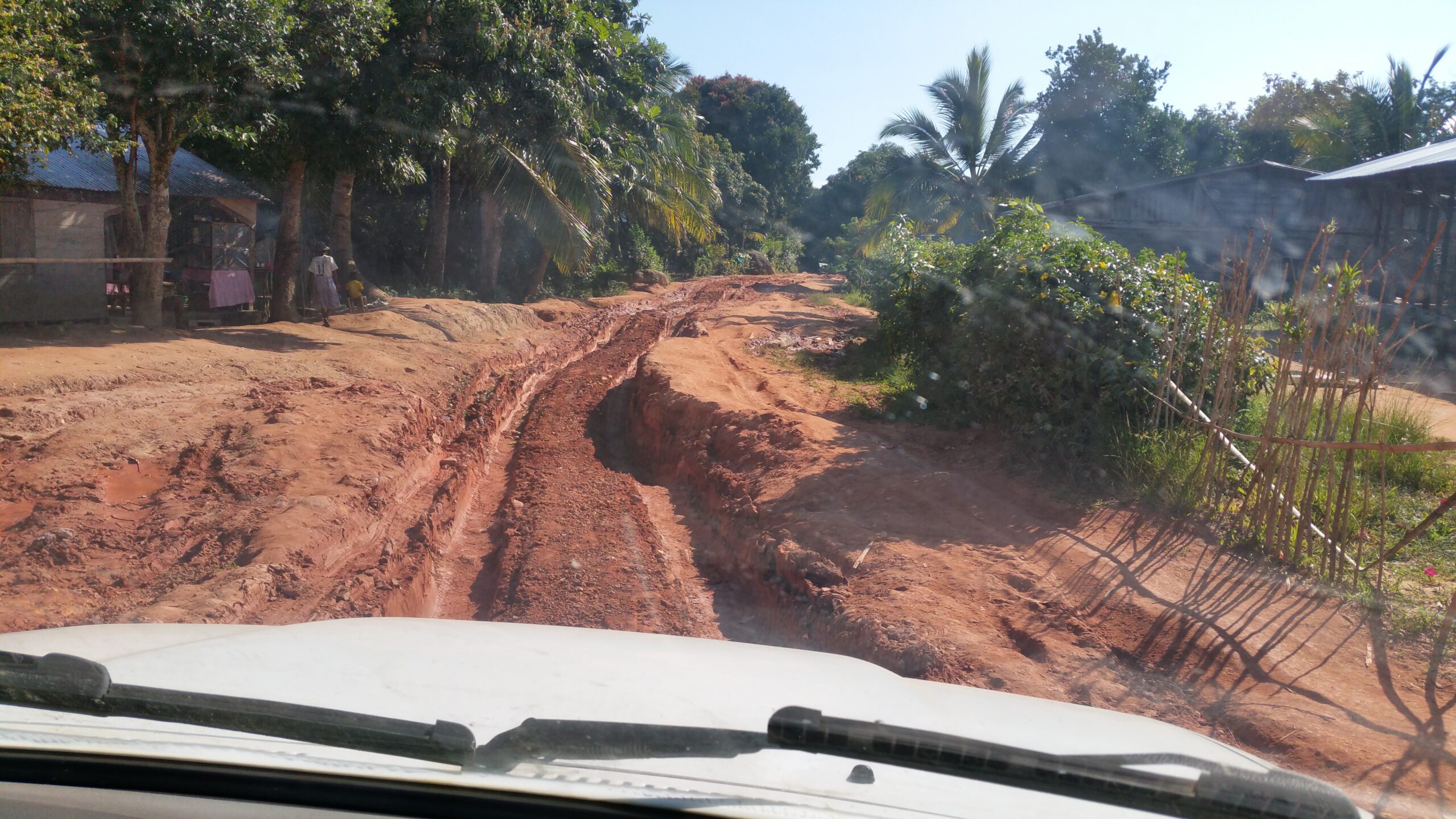
Dirt road on the way to the Mananara vanilla region
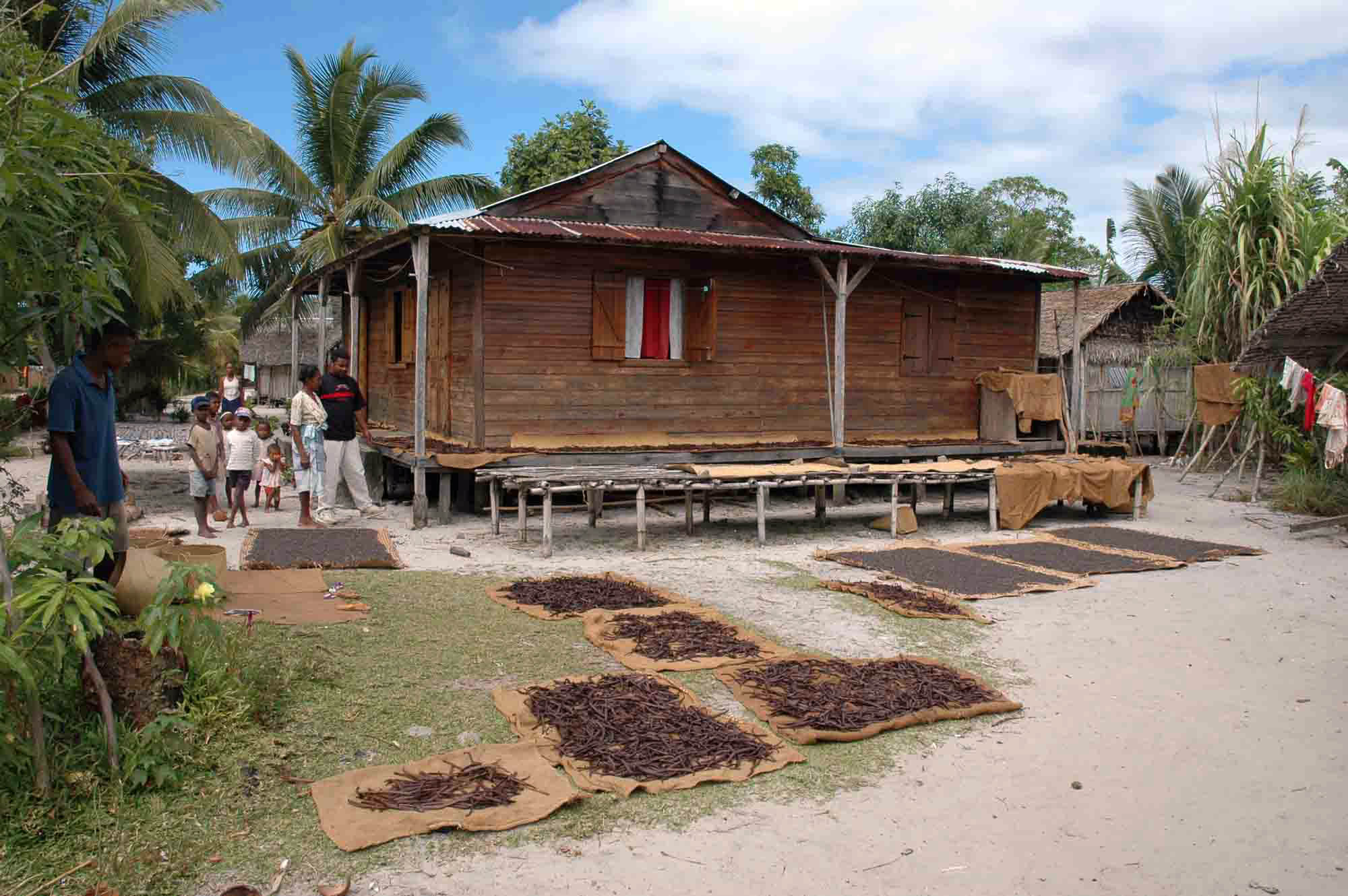
Vanilla drying outside the home of a smallholder family
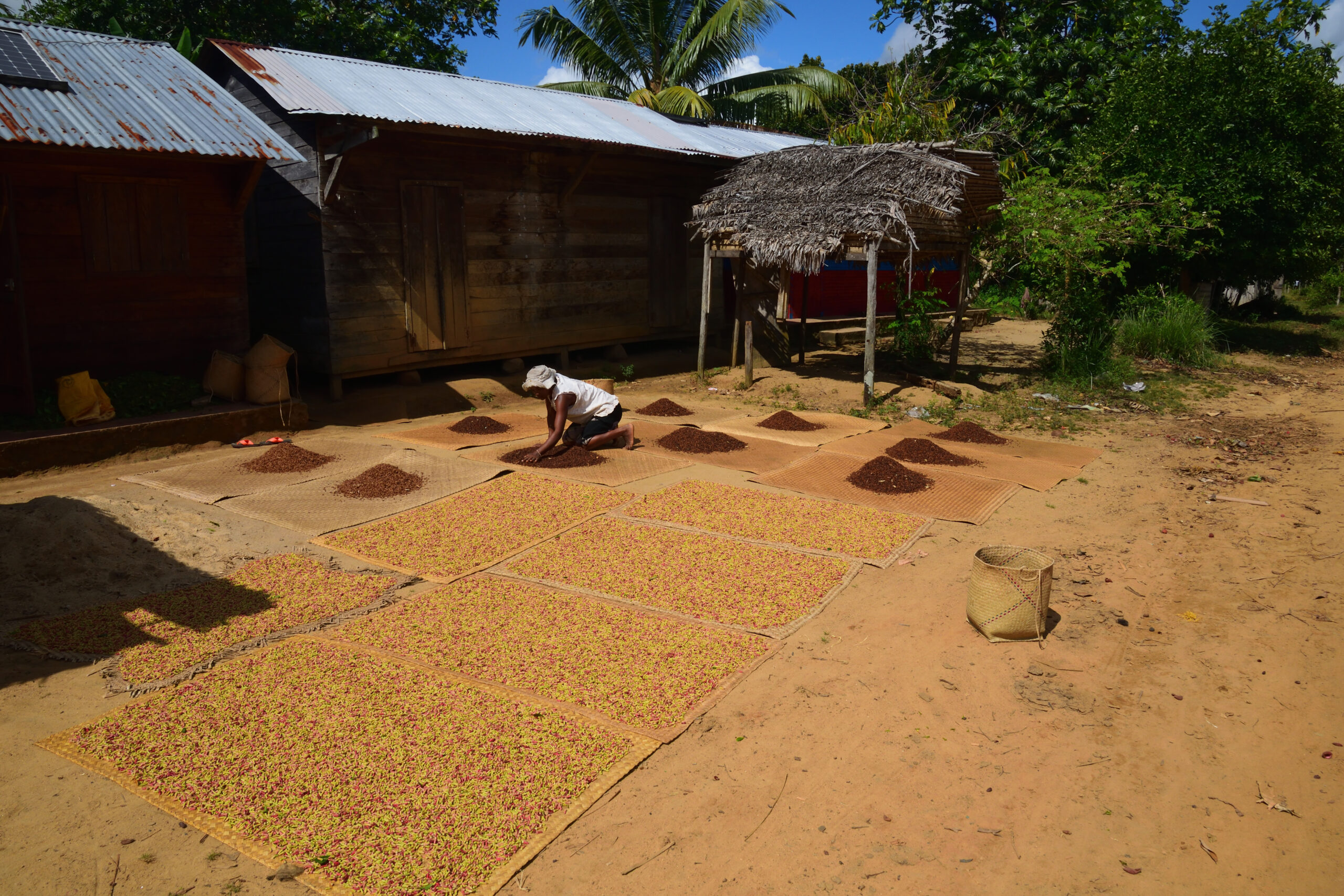
A smallholder producer working with cloves
You have been visiting producer families for years. How did their current situation seem to you?
I thought that most of our producers were in good spirits. The last vanilla harvest went well, even though prices were low. On top of that, there was a bumper clove harvest. The outlook for the new vanilla harvest is also positive in most villages. There will be slightly lower yields in some areas because the smallholder farmers were busy with the clove harvest during the vanilla pollination season.
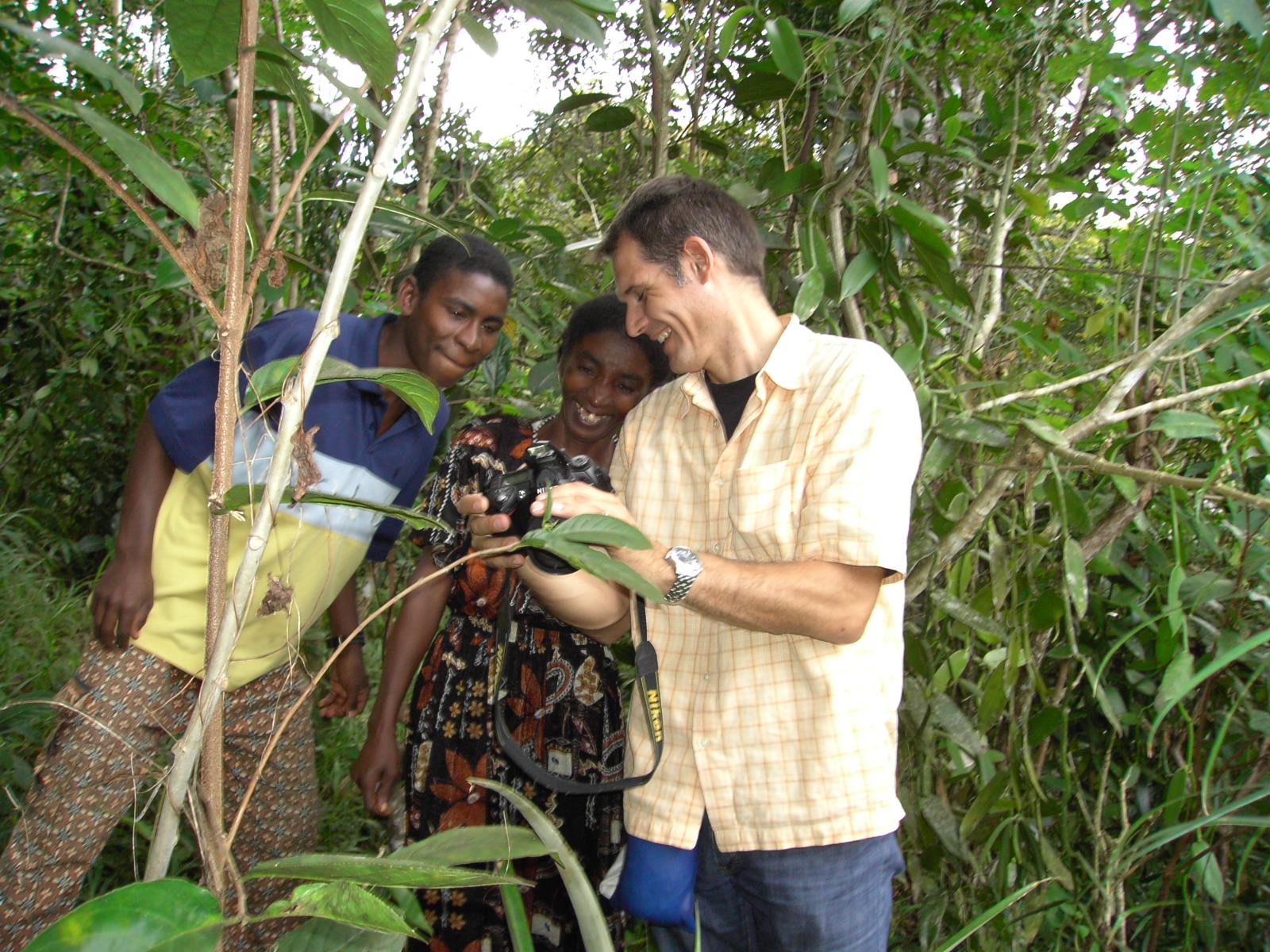
As the journey is so long and tiring, we always stop briefly in each village to meet the farmers. These visits do not have a specific business purpose but are a means of demonstrating our mutual appreciation: they give us the opportunity to enquire about the farmers’ health and families, discuss the outlook for prices and volumes, and generally catch up.
Price fluctuations are causing considerable uncertainty in many countries of origin. How are smallholder families in Mananara coping with this?
In the villages where our producers live, life moves at a leisurely pace, and there are not many visible changes. From one year to the next, you often see the same people standing outside the same houses. Smallholder farmers take the extreme fluctuations in vanilla prices in their stride. They know from experience that periods of high prices and low prices alternate.
People generally do not plan too far ahead; this means they are less likely to be disappointed. Besides, most families are highly diversified. They grow raw materials for exports – cash crops such as vanilla and cloves – as well as food for their own consumption: rice, cassava, vegetables, coconuts and fruit. They also keep small livestock and go fishing in the sea. They usually own their own land, their houses are built from local materials, and their needs are modest. All of this makes them quite resilient to the unpredictable price fluctuations of vanilla.
Major changes lie ahead for the cooperatives affiliated with PREMIUM SPICES. What exactly is set to change, and how will this affect PREMIUM SPICES?
Yes, we are undergoing major restructuring: firstly, the current CPVM cooperative is being dissolved ahead of the new campaign due to its low membership numbers; its members will be integrated into our long-standing COMAM cooperative. Despite some initial reservations, the merger was approved unanimously. This step will make things easier for us in the future. Secondly, the COPPVM cooperative will also become independent at the start of the new campaign. It intends to obtain its own certification and will only supply us with products on request.
Restructuring is a difficult process for everyone involved. Ultimately, it will take some of the pressure off us, as it means that all the producers will hold the same certificates, including Naturland, Bio Suisse and Fairtrade. This will enable us to significantly reduce our certification costs.
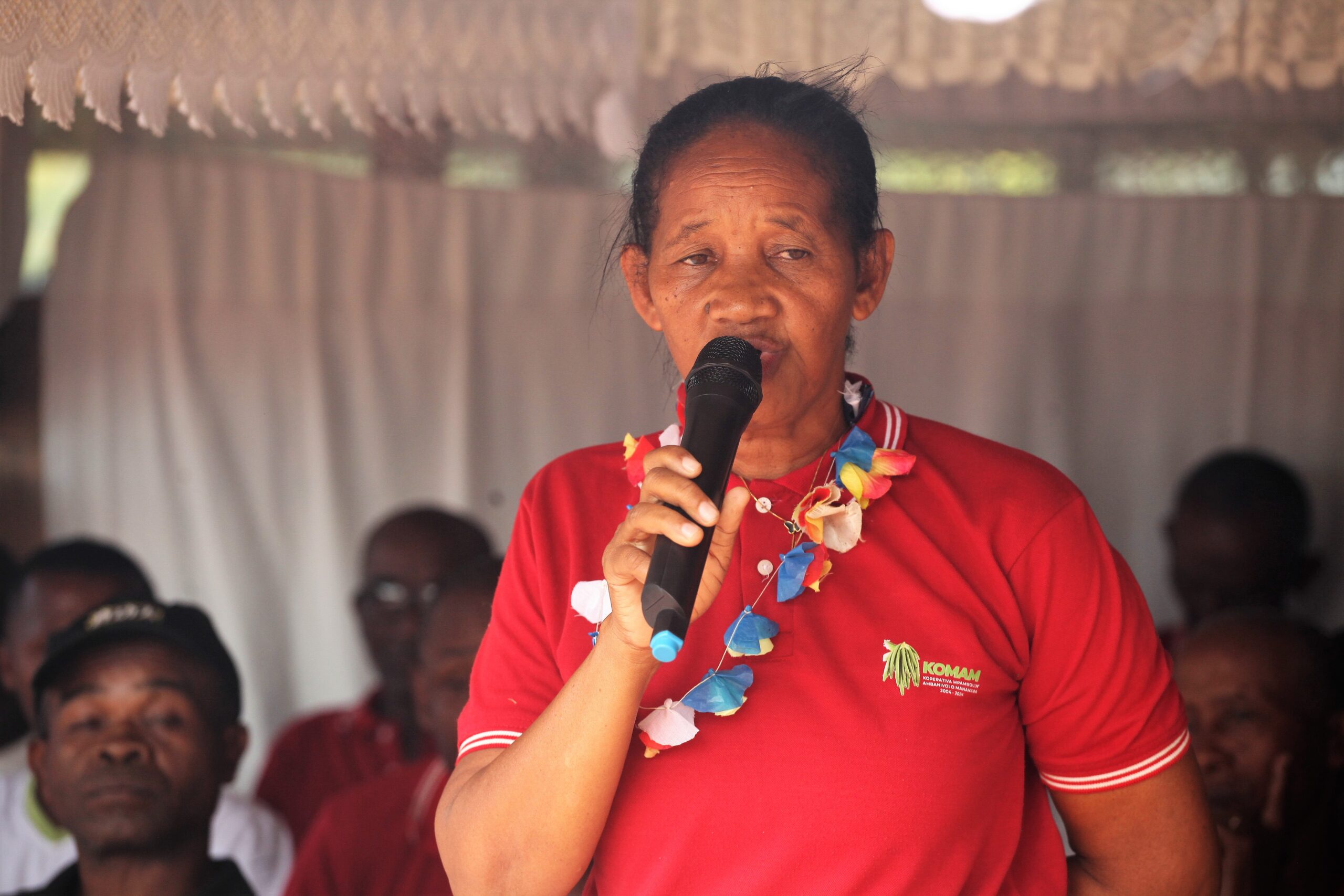
The president of COMAM gives a speech
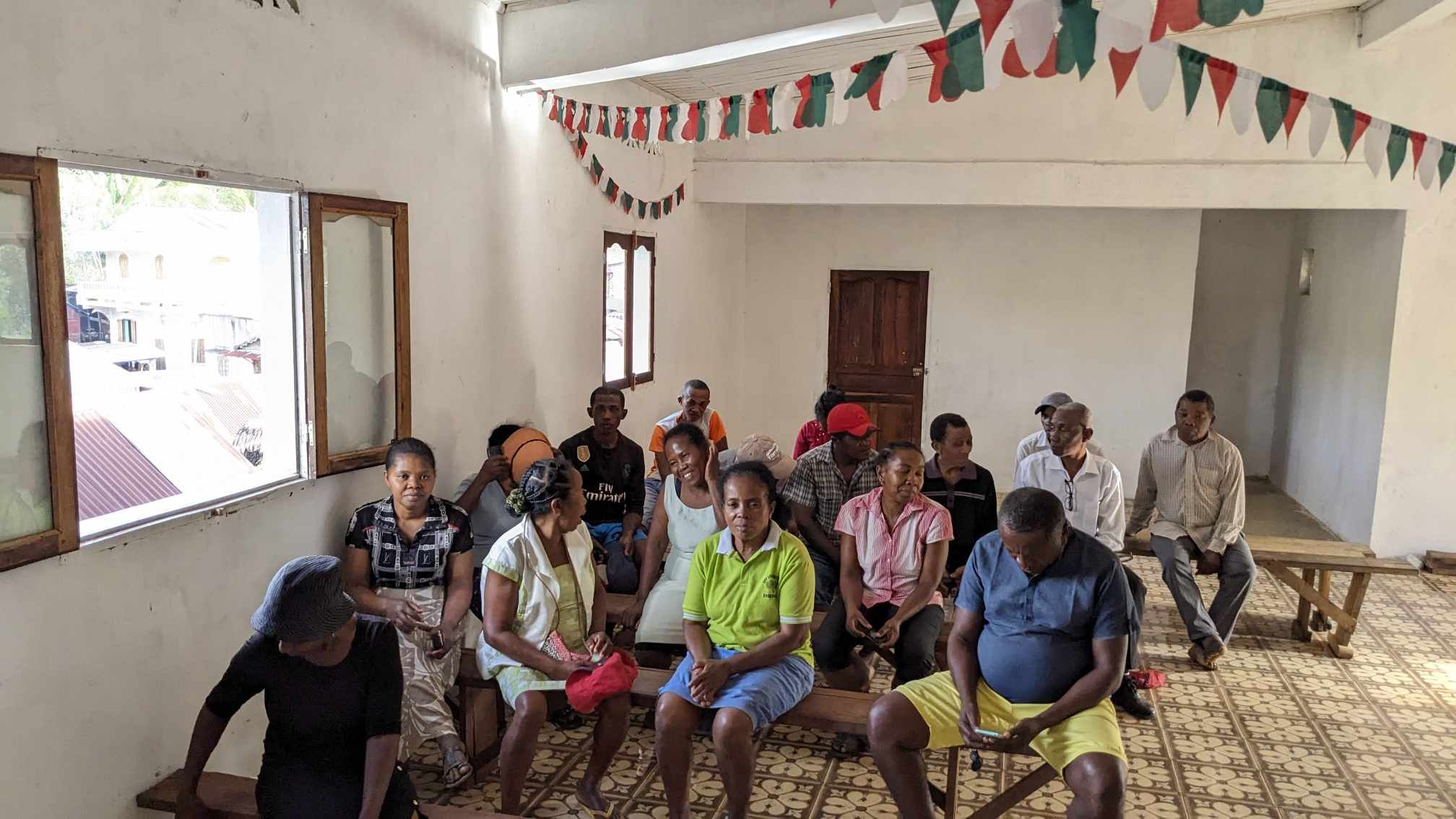
Cooperative members during a meeting
What role does COMAM play for smallholder families today?
Thanks to its service agreement with PREMIUM SPICES and the fair trade premiums, COMAM generates significant revenue, which is managed in a targeted manner. It goes towards projects such as building new classrooms and bridges, or providing school supplies for children. The cooperative sets aside some of its income to finance social activities and production materials for its members.
At the same time, COMAM takes care of various organisational tasks: holding meetings and general assemblies, assisting with certification processes and carrying out administrative work. It will also be joining a health insurance scheme in the near future. This represents a major new responsibility as COMAM’s management team consists exclusively of active vanilla producers.
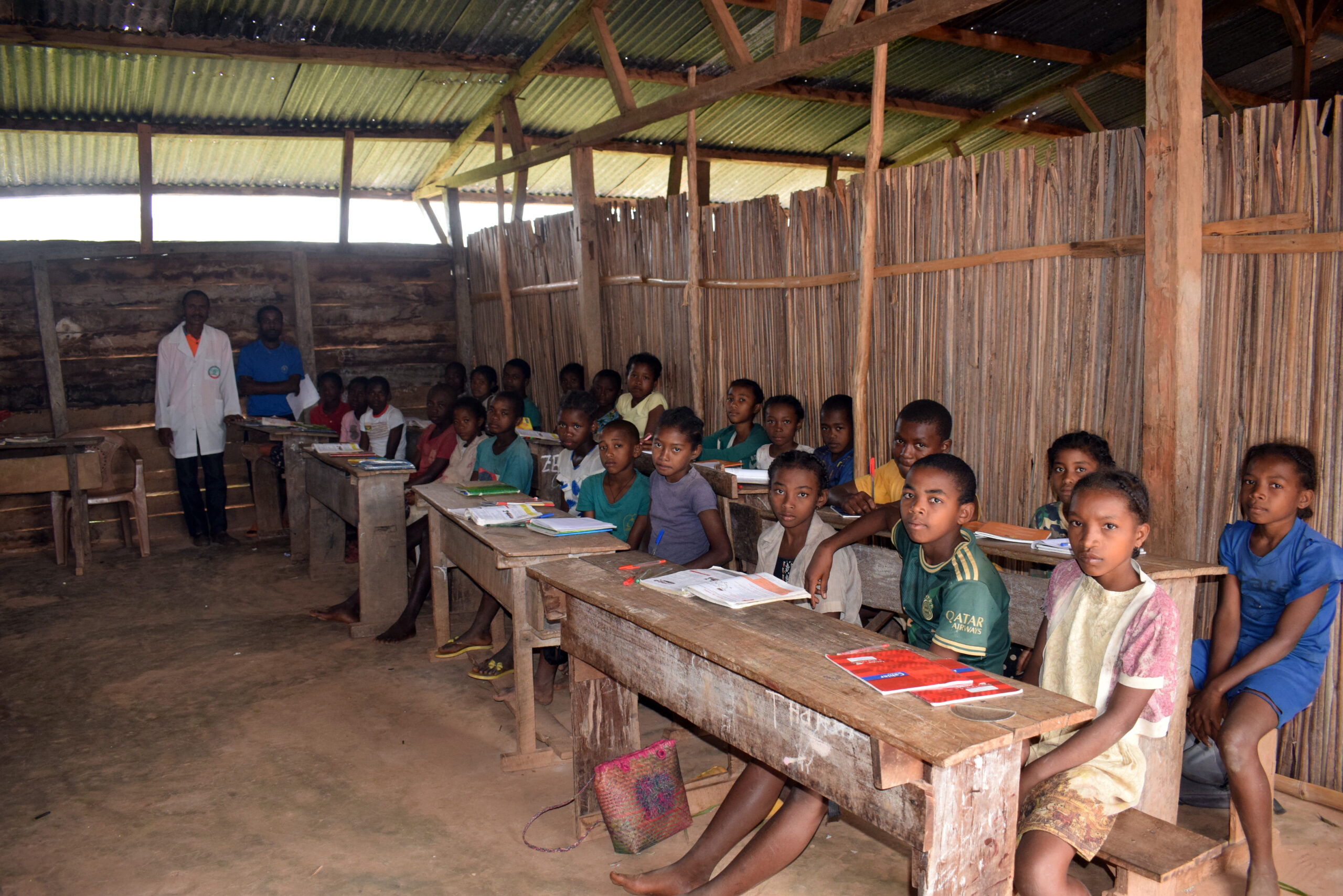
A glimpse of everyday school life in Madagascar
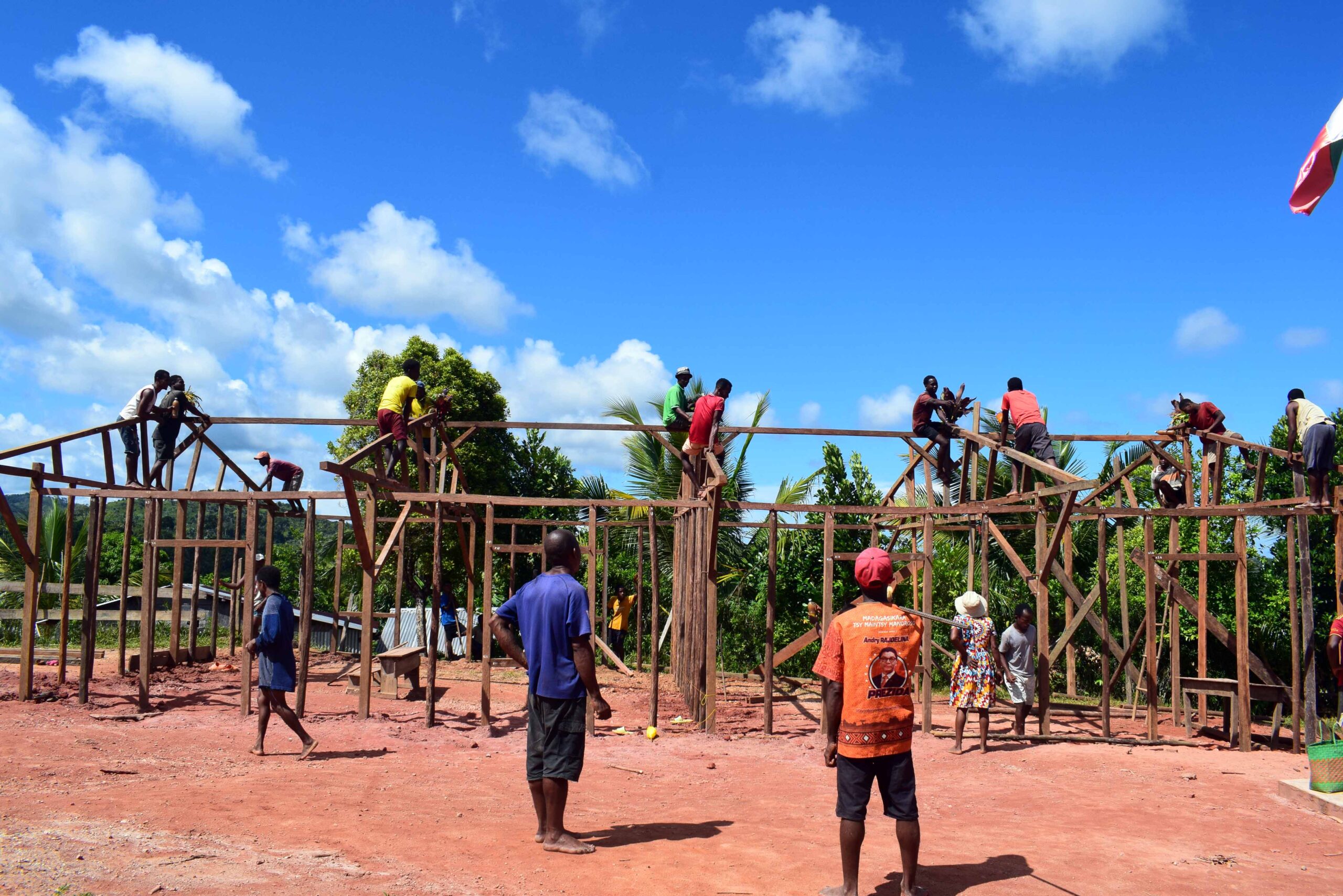
Construction work to extend the school in Ambohimitsinjo
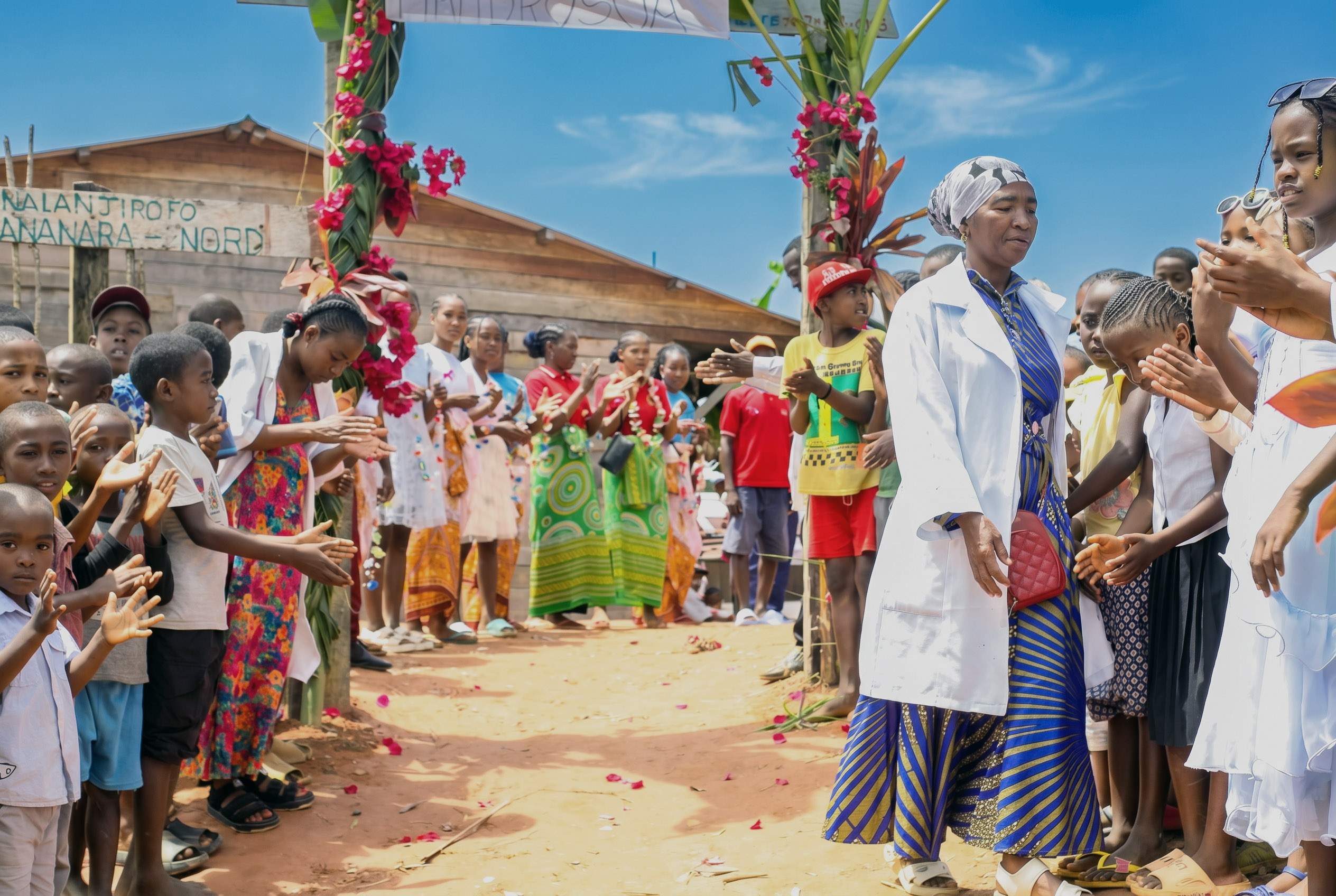
Official opening ceremony for the school extension
And what challenges does this pose for PREMIUM SPICES?
PREMIUM SPICES is facing similar difficulties. The current organic and fair trade certification standards are complex and overly extensive. Our cooperatives would be unable to meet these requirements on their own. They need extensive support from additional, specially trained staff at PREMIUM SPICES.
It is no exaggeration to talk about a bureaucratic monster. This seems all the more absurd when you consider that there is still generally an oral tradition in our farming villages and that many producers have only basic literacy skills.
In addition to certification, Madagascar’s vanilla policy is also a frequent topic of conversation. What impact does this have?
Madagascar’s vanilla policy is highly volatile. Regulations such as minimum prices, export duties and export licences come and go, often without any clear strategy. Following severe restrictions in the industry in 2025, a general liberalisation is now evident in the wake of the government’s overthrow, with everyone free to do as they please.
This causes problems for businesses, cooperatives and farming families. The guidelines are constantly changing, and their long-term direction is almost impossible to predict.
Recent developments affecting Madagascar’s vanilla market
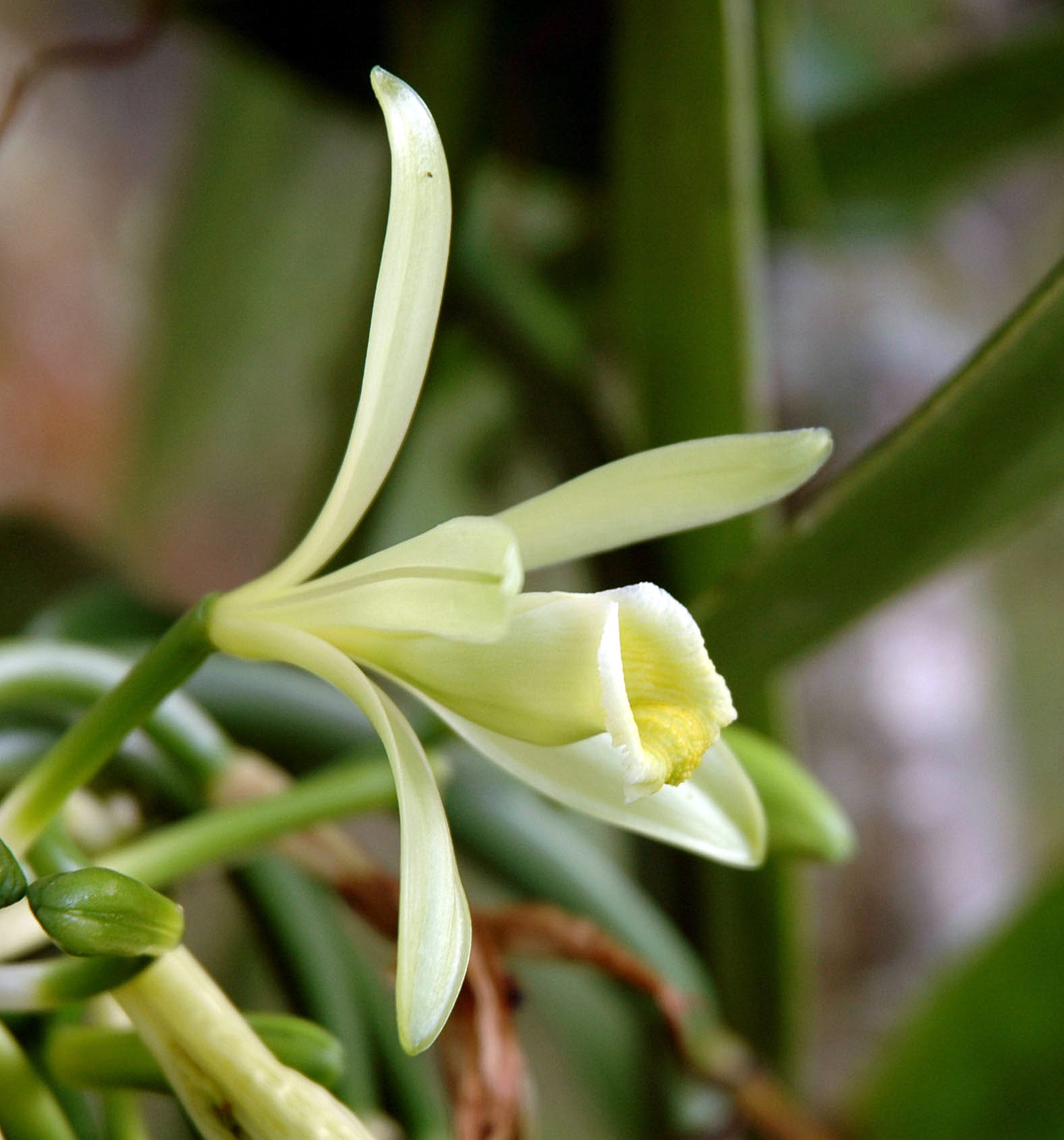
The vanilla market in Madagascar has been marked by sharp fluctuations in the past few years. A period of very high prices was followed by a sharp fall in prices. This brought short-term relief for purchasers but resulted in new uncertainty for many producers.
Government intervention and changing regulations have hampered trade even further. Minimum prices, export duties, export licences and other requirements have been repeatedly discussed, introduced or amended. Market reports described a contradictory situation in 2025: although the market had officially been liberalised, it remained subject to export barriers, unclear costs and a lack of transparency.
The situation changed yet again following the political upheaval at the end of 2025. Industry reports suggest that there will be less government intervention in the future, but it remains to be seen how stable the new framework conditions really are. For the vanilla trade, this means a short-term surge in activity, but there is still no reliable planning certainty.
How would you rate the most recent vanilla harvest in terms of quantity, quality and price?
The quantity and quality of the most recent vanilla harvest were excellent. The pods were very ripe. This resulted in a high proportion of gourmet vanilla, but also of fully ripened Fendue vanilla, which is renowned for its exceptional flavour and high vanillin content.
As in previous years, we purchased large quantities of green vanilla pods from smallholder farmers, which we then processed into black vanilla for export under controlled conditions at PREMIUM SPICES in Mananara. We were also able to purchase a significant amount of vanilla that had already been prepared by selected producers. Overall, we are very satisfied with the latest vanilla campaign.
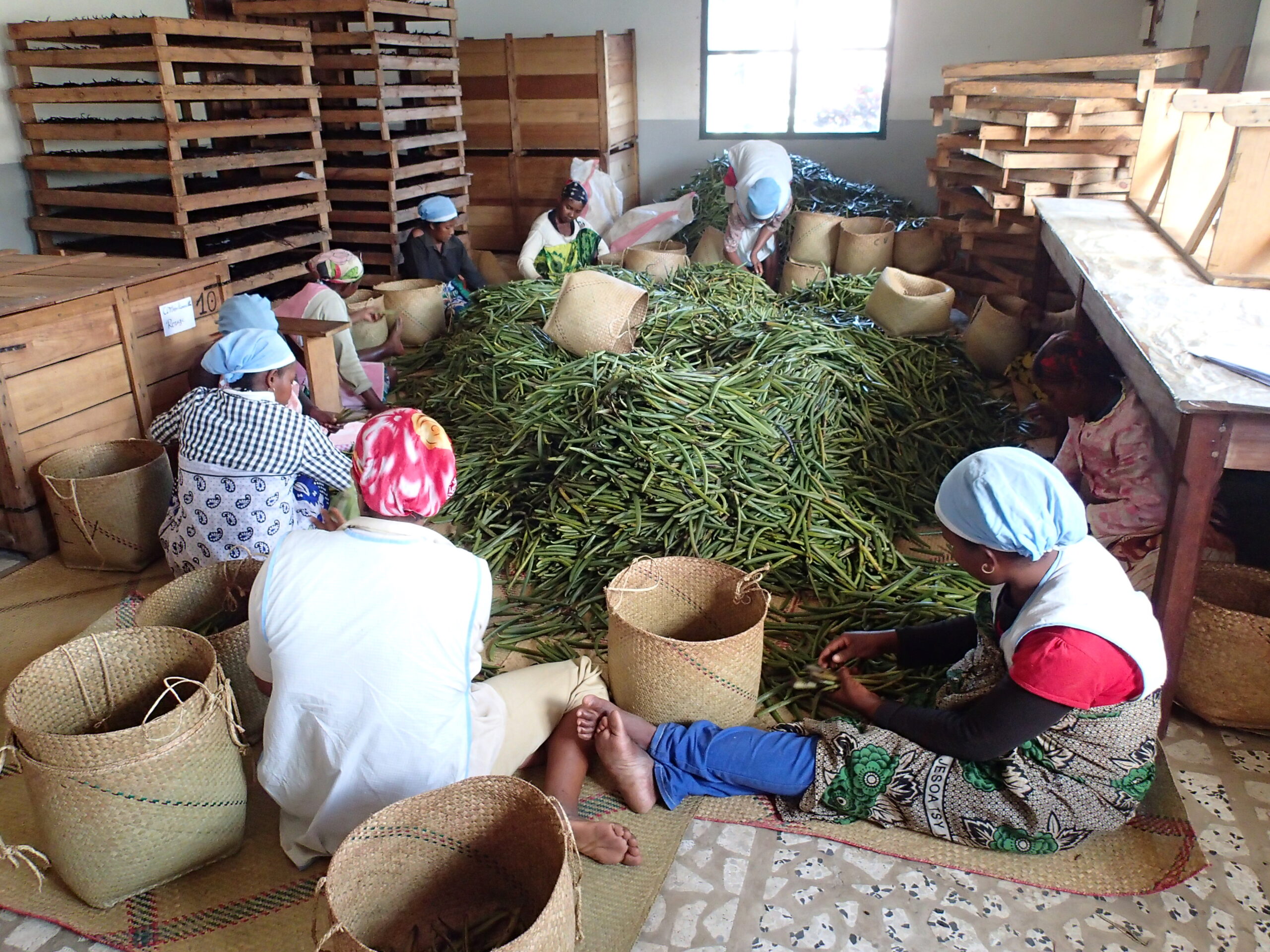
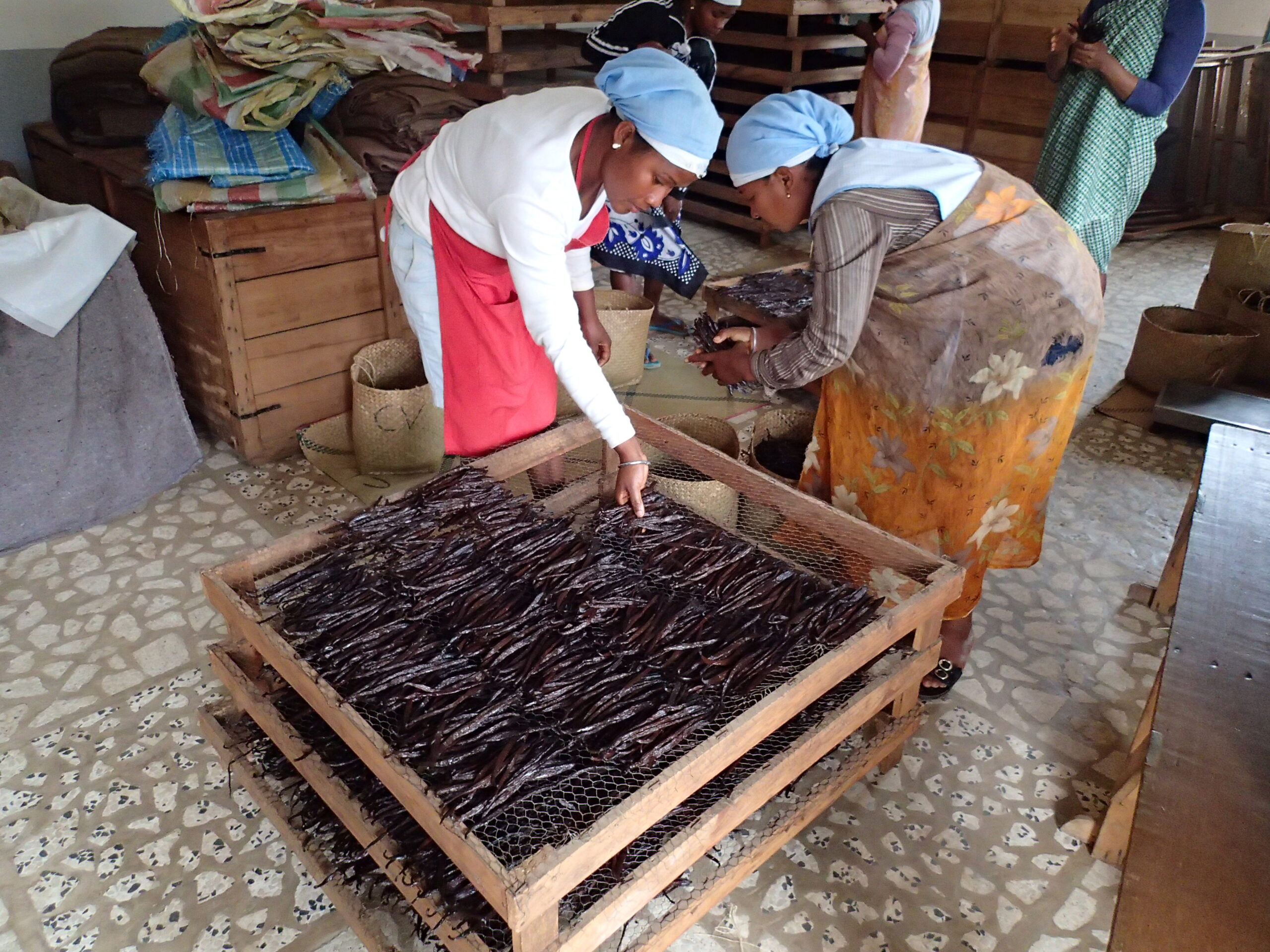
Cyclone Gezani swept across the Tamatave harbour area in February 2026. To our surprise, exports started up again quite soon afterwards. What was the situation like on the ground?
We spent a day in Tamatave. The cyclone was extremely violent, and the effects can still be seen everywhere. Most of the large, modern buildings lost their roofs. Smaller houses and huts were completely destroyed, and many trees and walls were blown down.
The cyclone caused significant psychological impact alongside all the material damage. Many huts were hit during the first phase of the cyclone, leaving the residents, and often entire families, defenceless against the storm for around ten hours.
After nearly two months, people seemed to have regained their composure, and the town was a hive of activity. However, electricity and water were still only available in about half of the city.
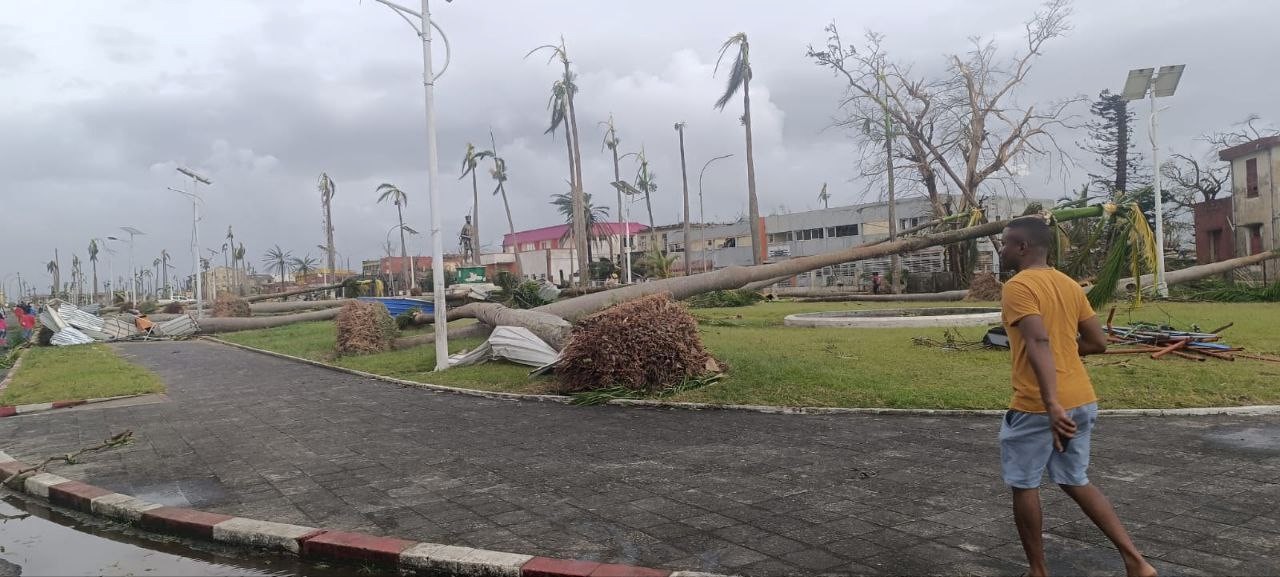
The scale of the damage caused by Cyclone Gezani in the Tamatave port region: fallen trees …
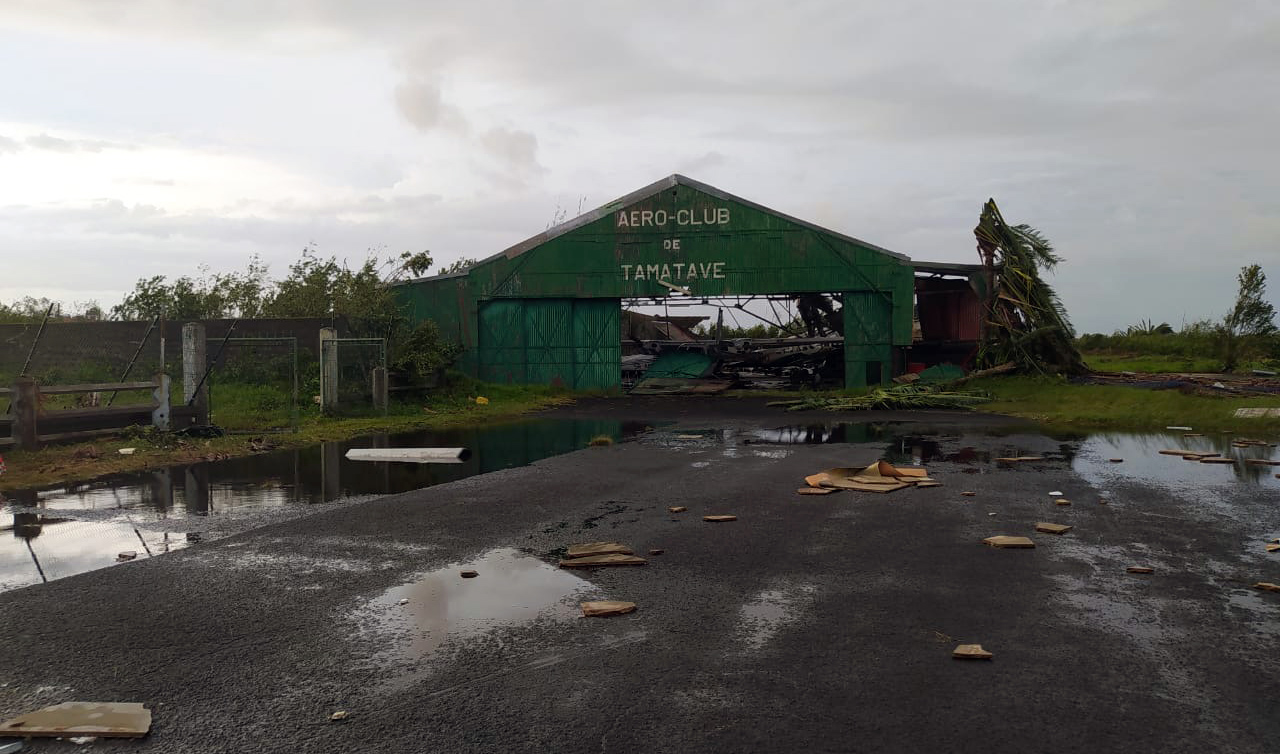
… almost completely destroyed buildings …
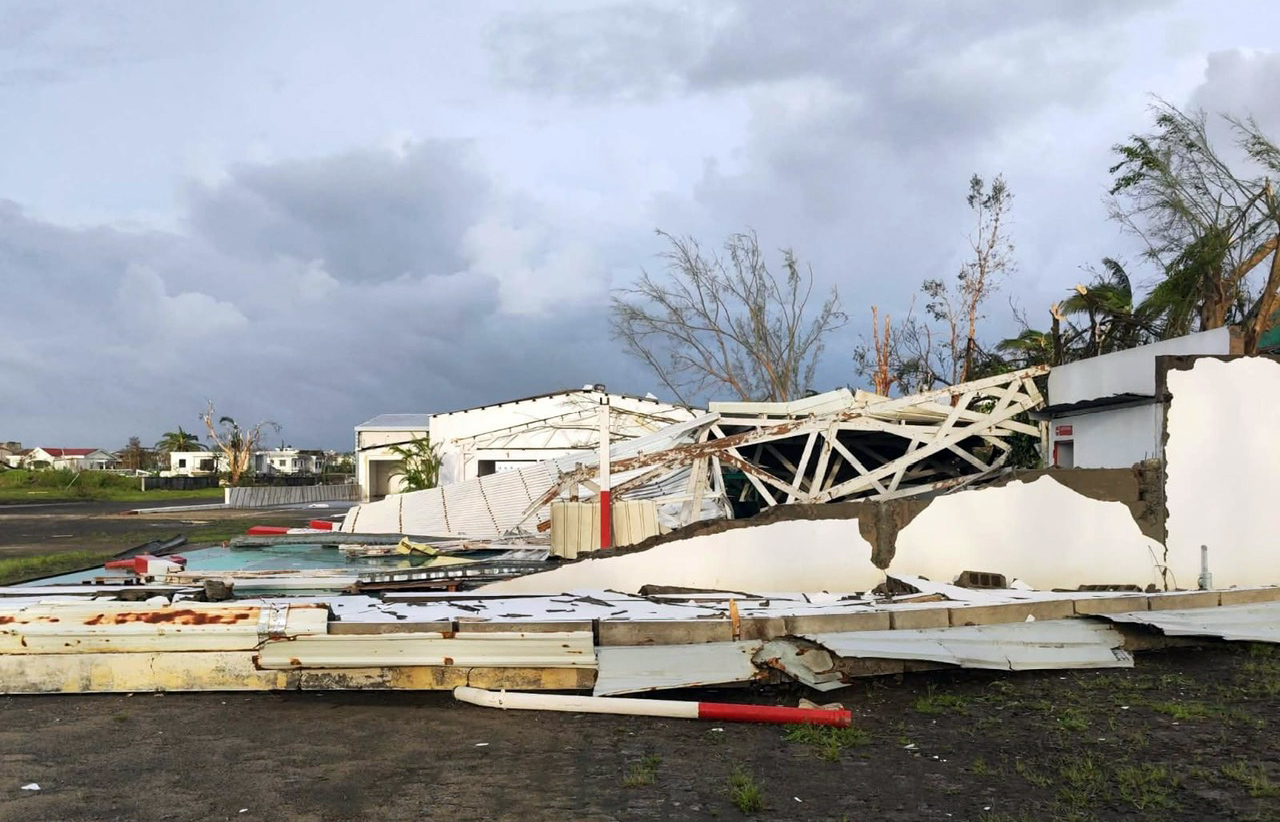
… and damaged infrastructure
How badly was PREMIUM SPICES affected?
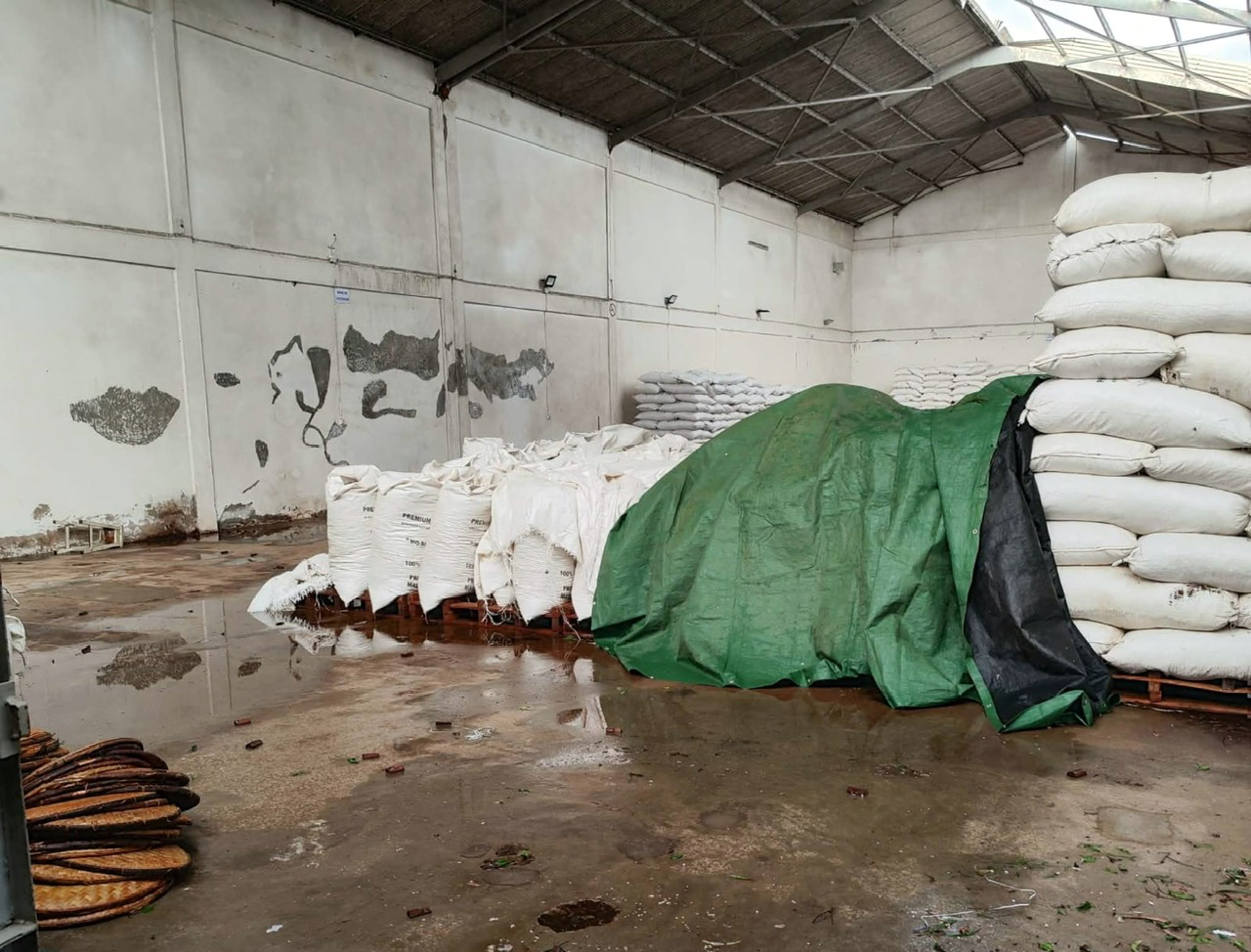
PREMIUM SPICES was quite lucky. Only part of the warehouse roof was torn off, and the goods stored inside were well packed and protected. The main concern was to provide financial and practical support for our local employees.
Despite all the recent challenges you have encountered, have there been any positive developments?
After trips like that, the positive impressions almost always outweigh the negative ones. The individual smallholder farmers appear quite confident about the future thanks to their vanilla fields and clove trees. The cooperatives have also thrived under sound management and are gaining an increasingly good reputation.
After a few turbulent years, PREMIUM SPICES is now heading towards a period of consolidation. This is also reflected in a generally positive working atmosphere. Our employees are still proud to work at PREMIUM SPICES.
What is your most vivid memory?
The long-standing successful partnership between PREMIUM SPICES and the COMAM cooperative. This is a remarkable success story, despite all the obstacles and setbacks. Many of the smallholder farmers who have been with us from the very beginning are, of course, now older. Some of them have health problems or are concerned about succession planning. This makes it all the more heartening to see that we share just as much mutual respect and trust as we did at the start. After all these years, that is not something to be taken for granted.
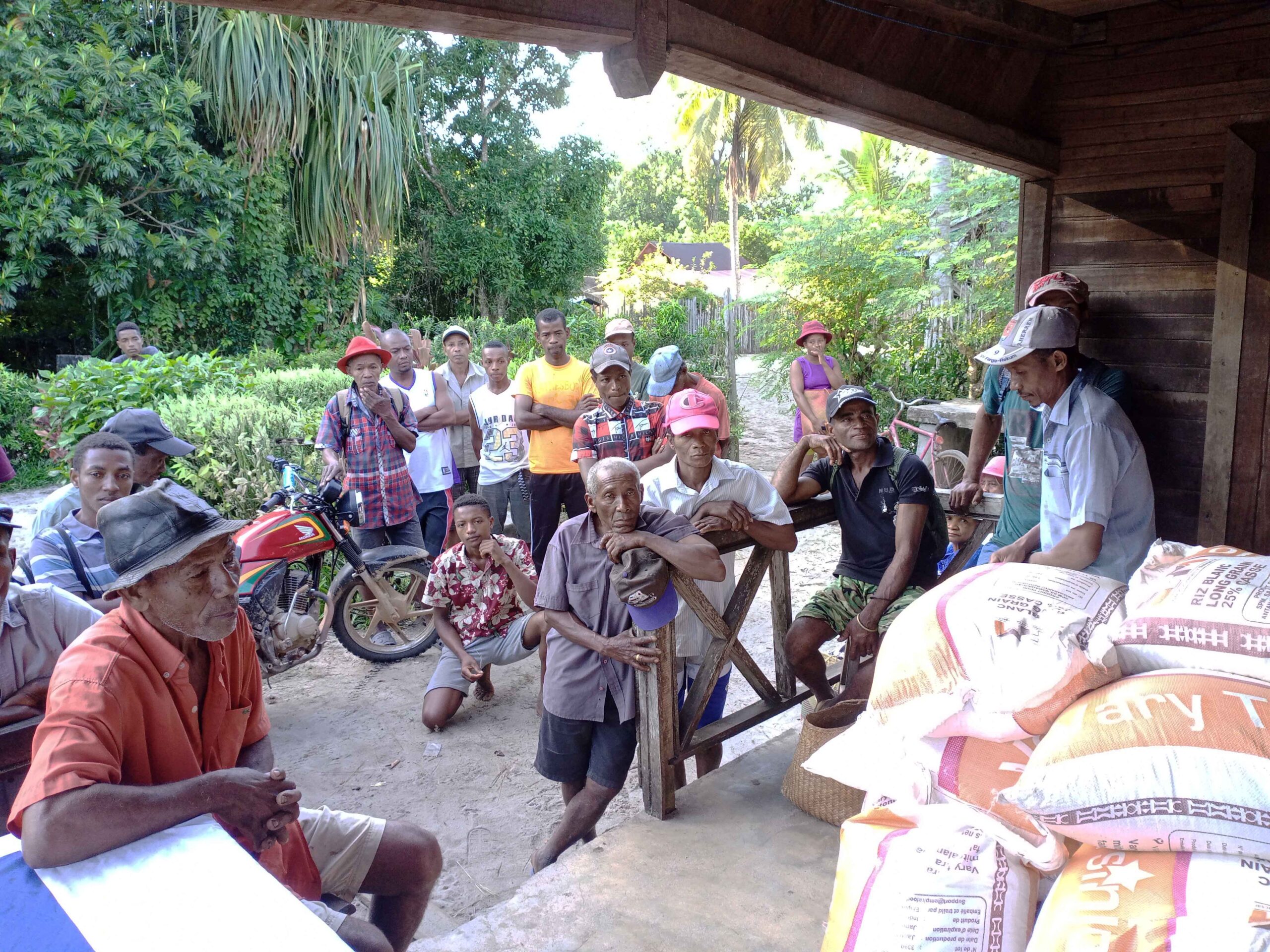
Distribution of food financed by Fairtrade premiums
If we look back at the early days, how did the partnership with PRONATEC first come about?
I visited Madagascar in 1992 for an environmental research project and set up an independent consultancy there in 1999. I was commissioned to draw up a management plan, including a funding proposal, for the Mananara National Park. Then I worked as a technical adviser to the National Park from 2001 to 2007.
One of the strategies for protecting the rainforest and the biosphere was to help the local population increase their income from cash crops such as vanilla. The COMAM cooperative was founded in 2002 as part of an initial collaboration with Slow Food Italy. The aim was to market high-quality vanilla directly to small European customers such as bakeries, ice-cream parlours and restaurants. However, the order quantities turned out to be very small.

Jürg Brand, founder and CEO of PREMIUM SPICES
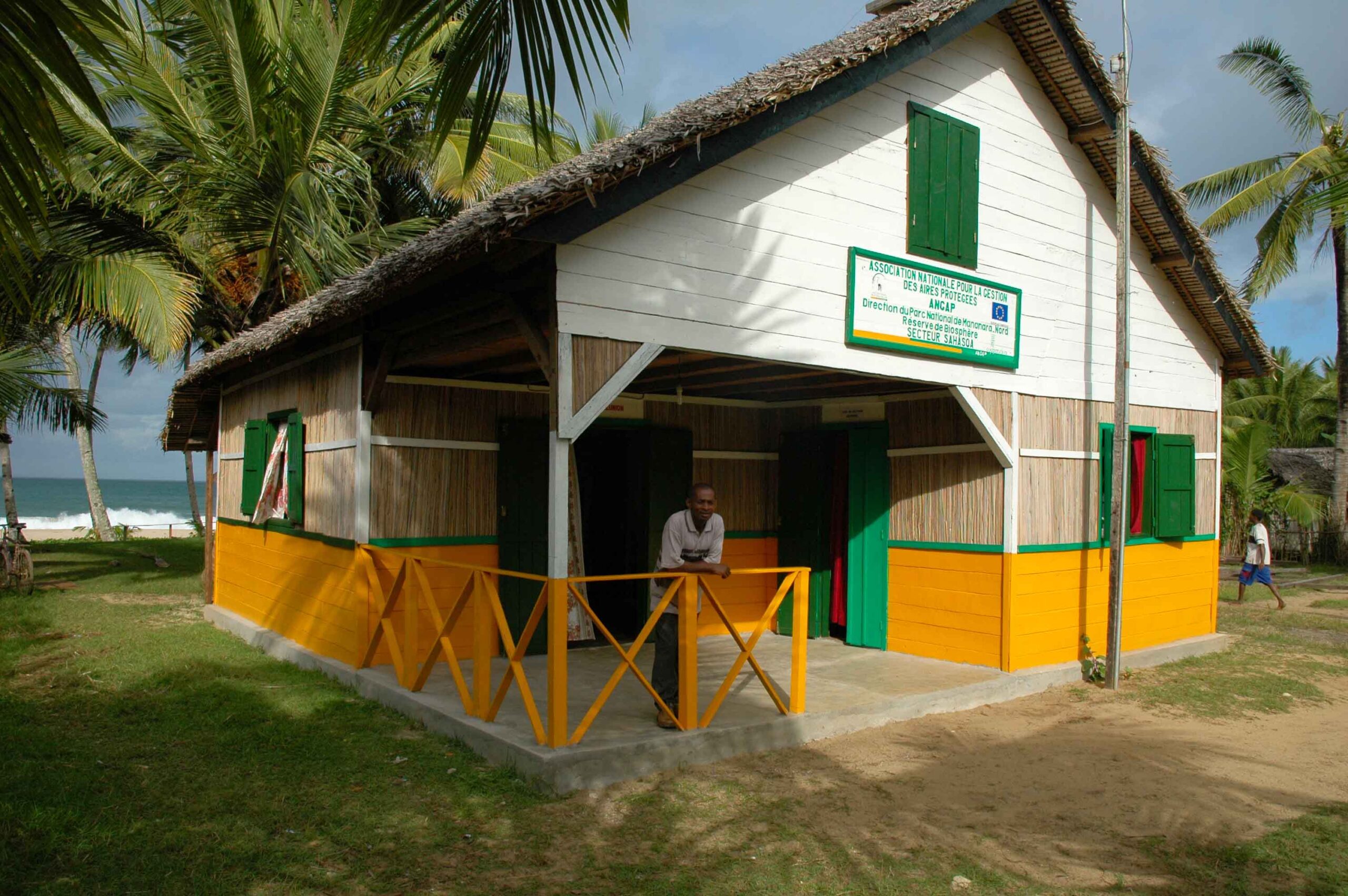
Management at the entrance to Mananara National Park
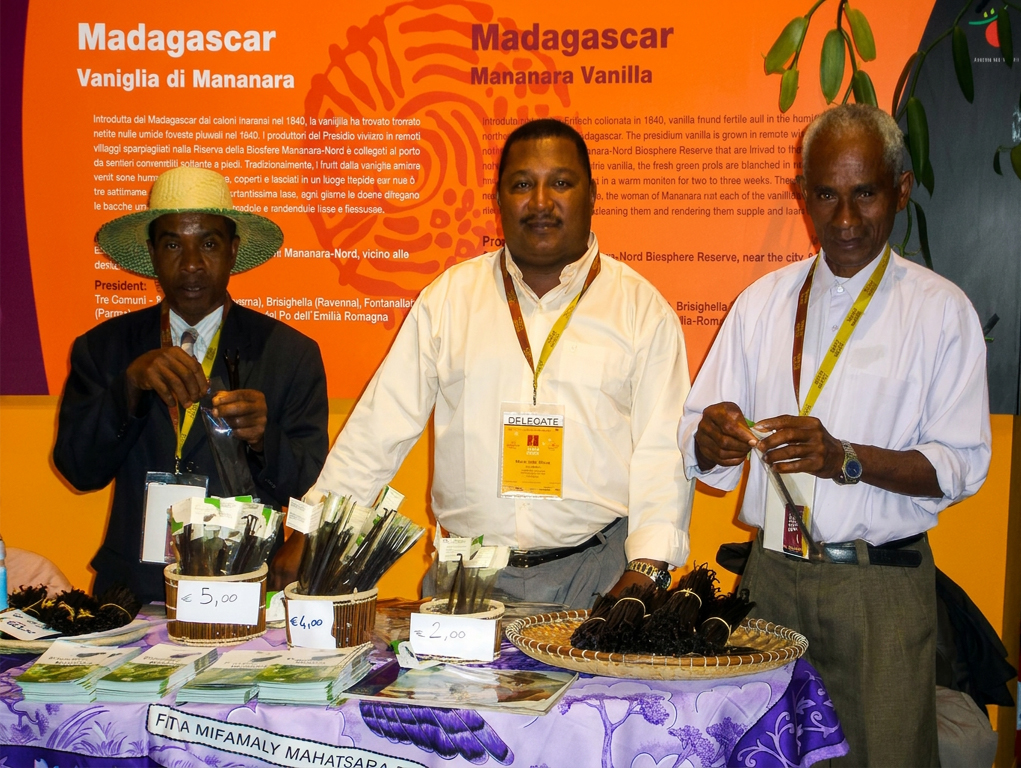
Slow Food Italy 2002: the founding of COMAM
Is that when PRONATEC came into the picture?
Yes, in 2004 we carried out a market survey in association with the organisation Intercooperation (now Helvetas) on potential partners in Switzerland and their expectations. A company called PRONATEC was at the top of the list.
Our mutual interest and trust became apparent during the very first meeting with David Yersin in Winterthur. We clearly hit it off, and we agreed to organise a trial season that very same day. David mentioned the prospect of a long-term order for three metric tons a year, which seemed like a huge amount to us at the time. However, this was conditional on us obtaining certification to organic and fair trade standards. That was no sooner said than done. We were awarded organic certification in 2004 and fair trade certification in 2005, and were then able to launch an initial export season, largely thanks to PRONATEC’s incredibly straightforward and pragmatic approach.
How did the partnership evolve?
Having produced 900 kilograms of vanilla in the first year, export volumes rose steadily. PRONATEC has held a stake in PREMIUM SPICES since 2010. Five years later, we were producing up to around 60 metric tons of vanilla.
At the same time, the product range was expanded to include cloves, cinnamon, ginger, turmeric and fine flavour cocoa by entering into new partnerships in Madagascar. Together, we have continued to navigate the roller coaster ride of vanilla prices right up to the present day.
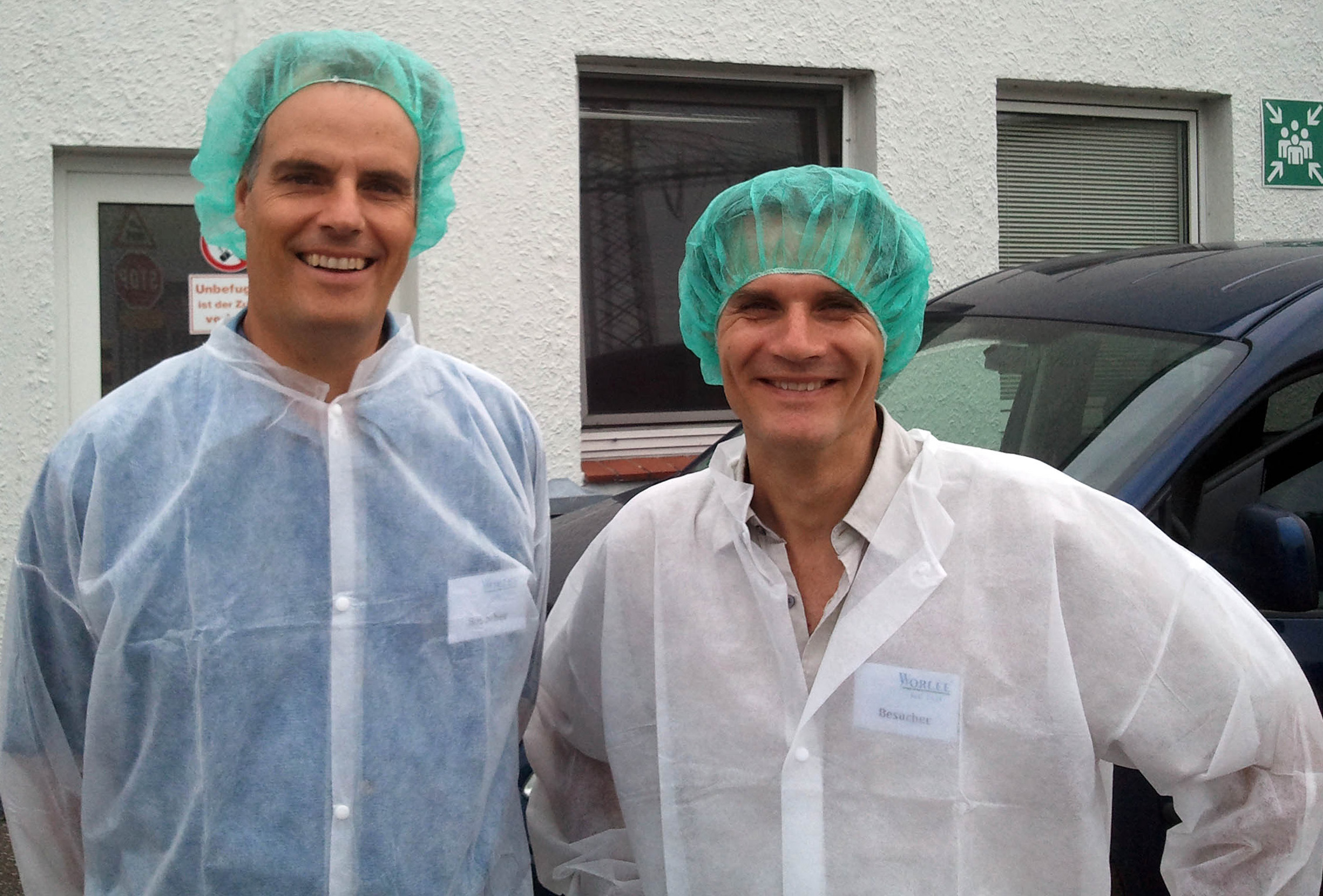
David Yersin and Jürg Brand in the early years
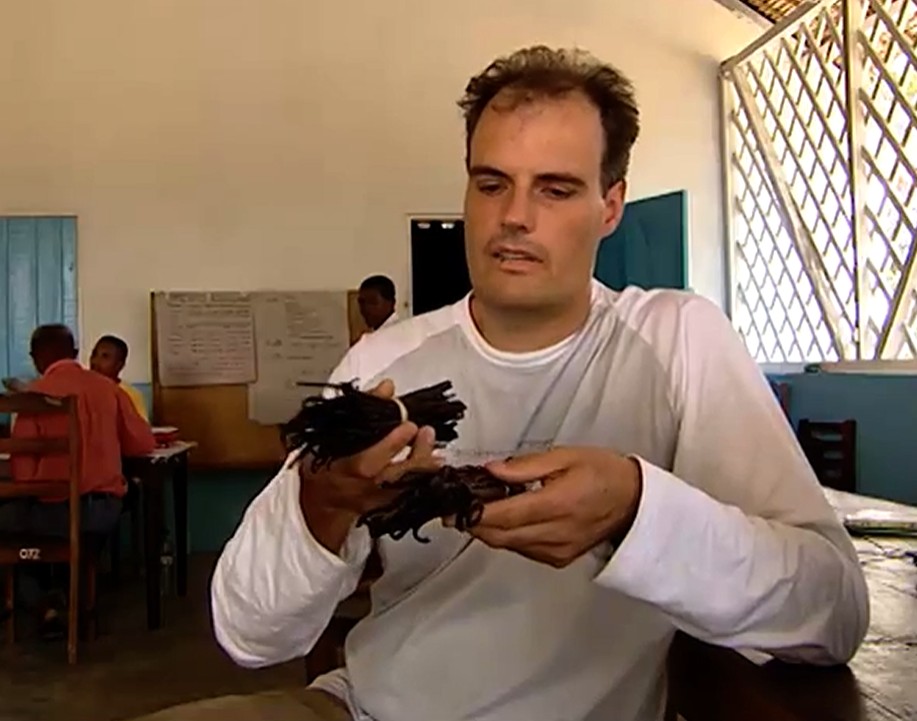
The first delivery of vanilla to PRONATEC
Is there a final message you would like to share with our readers?
I am well aware of, and greatly appreciate, the fact that PRONATEC’s customers and business partners are firmly committed to fair trade, traceability and support for local small-scale producers. At the same time, despite the unique history of our cooperation, we must not forget that Madagascar – and in particular the business practices there – should by no means be idealised.
There are major vanilla traders who have made a great deal of money from the illegal export of rosewood and are gradually laundering this money through the vanilla trade. There are others who, despite exporting large volumes, pay hardly any tax or employ staff on the black market. Others, meanwhile, receive large sums of money from international investors with highly dubious backgrounds. It would also be naive to believe that the rampant corruption in Madagascar stops at product certification.
All of this results in export prices that are, in some cases, below cost price. This only applies to a few companies, and I certainly do not wish to cast suspicion on all vanilla exporters. There are plenty of honest companies out there. Of course, you have to keep prices competitive to ensure healthy competition on the market. I would like to ask all the parties concerned to compare like with like. Honest, fair products that follow the rules come at a price, regardless of the supplier. We all have a responsibility to look very closely at the supply chain.
Jürg, thank you very much for a very instructive interview with some fascinating insights!
Long-standing partnership with PREMIUM SPICES
Bourbon vanilla, cloves, cinnamon, ginger, turmeric and cocoa in organic and fair trade quality are important sources of income for the smallholder families of Madagascar. PRONATEC has been working for around 20 years with its local partner, PREMIUM SPICES, and with a total of five smallholder cooperatives in Madagascar.

